


- 114 Views
- 6 Min Read
- (0) Comment
Heart Attack vs Cardiac Arrest – What’s the Difference?
There are two common cardiac conditions, which are heart attack and sudden cardiac arrest. A heart attack is a phenomenon that arises due to the obstruction of blood flow to the heart. Sudden cardiac arrest is the sudden cessation of the heartbeat. Understanding Heart Attack vs Cardiac Arrest – What’s the Difference? helps you recognize which condition needs immediate treatment.
What is a heart attack?
A heart attack is an obstruction of an artery that blocks the blood supply to a part of the heart. Unless the blocked artery is reopened in time, the section of the heart fed by that artery starts dying. The more an individual takes to be healed, the more destruction is done.
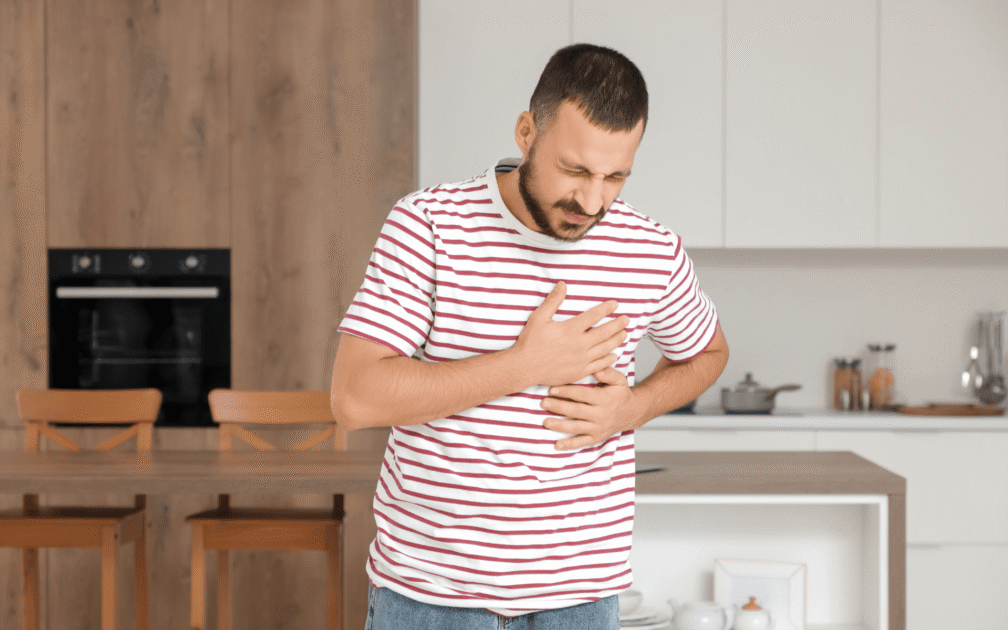
Heart attack symptoms can either be sudden and severe or slow with mild symptoms. Knowing heart attack vs cardiac arrest vs stroke is important because each condition affects the body in a different way. There can also be mild symptoms or even no symptoms at all in a heart attack. However, symptoms of a heart attack in women may not be similar to those of men.
Warning Signs
The greater the time it takes to be treated, the more of your heart can be broken.
In Both Men and Women:
- Chest pain or pressure on squeezing.
- Shortness of breath
- Sweating
- Tightness in chest
- Sporadic pain in the shoulders, neck, arm, or jaw.
- Chest pain of heartburn or indigestion, and/or nausea and vomiting.
- Short-lived unconsciousness or dizziness.
More common symptoms include fatigue, anxiety, and depression.
- Indigestion or gas-like pain
- Dizziness or nausea
- Weakness or fatigue of an inexplicable nature.
- Shoulder pains or pains between the shoulder blades.
- Recurring chest discomfort
- Sense of impending doom
- Personal activity following an attack of the heart.
Strenuous exercise should not take place before the doctor declares it okay. You are not supposed to lift, pull, or push a heavy object.
Gradually intensify your activities. When you feel tired, you should have little rest intervals. Ask your doctor when you might drive, resume work, and other daily activities. Learning what causes heart attacks and cardiac arrest can help you identify risks early and protect your heart.
What is cardiac arrest?
Sudden cardiac arrest is abrupt and, in most cases, unpredictable. It occurs when the heart fails to beat regularly (arrhythmia) because of an electrical failure. The heart is unable to pump the blood to the brain, lungs, and other organs.

This makes an individual lose consciousness and a pulse. Unless the individual gets help in a few minutes, they individual can even die.
Warning Signs
Sudden cardiac arrests are supposed to be both sudden and immediate. Research on survivors of sudden cardiac arrests has revealed some general warning symptoms:
- Dizziness
- Shortness of breath not explained.
- Chest pains
- Convulsions (usually of the limbs)
- Nausea or vomiting associated with the event within 1 hour.
Concerning the causes of a sudden cardiac arrest, most of the cases are normally due to pre-existing heart problems like:
- Coronary artery disease
- Large heart (cardiomyopathy)
- Valvular heart disease
- Congenital heart disease
- Electrical heart problems.
- Activity After a Sudden Cardiac Arrest.
After a sudden cardiac arrest, your medical team is likely to recommend a decrease in physical or strenuous activity. Such restrictions can be limited in time, but it should not be forgotten that they are essential and will give your body time to relax after an extremely strenuous experience. Doctors follow different steps for cardiac arrest vs heart attack treatment, depending on the patient’s condition.
Other survivors go to the extent of losing short-term memory, which lasts between one and six weeks. On the one hand, it is necessary to speak with your medical team in case the duration of memory loss is longer.
What’s the link between a heart attack and cardiac arrest?
Heart attack and cardiac arrest are two heart conditions that are associated. Heart attack may result in sudden cardiac arrest or even in recovery. Not all heart attacks result in immediate cardiac arrest. However, in the case of sudden cardiac arrest, a heart attack is the possible cause. There is also a possibility of other heart conditions that interfere with the heart rhythm, causing sudden cardiac arrest. These include:
- Cardiomyopathy
- Heart failure
- Heart palpitations, especially ventricular fibrillation.
- Congenital heart defects
- Infections
What can I do to avoid cardiac arrest or a heart attack?

We have no assurance that you will be able to avert a heart attack or cardiac arrest. Nevertheless, it is not that there are no things that you can do to reduce your risk of having one. A healthy lifestyle is one of the main methods of preventing a heart event. It implies being physically active, adhering to a heart-healthy diet, quitting smoking, and alcohol moderation. It is also a great idea to see your GP to have a Heart Health Check, especially if you are more than 45 years old, or more than 35 years old in the case of Aboriginal or Torres Strait Islander. Simple lifestyle changes can greatly support how to prevent heart attack and cardiac arrest effectively.
The key differences
The key differences betweena heart attack and cardiac arrest are the following;
Cause: Blockage vs. Rhythm Failure
The major distinction is in the cause. Blocked arteries are a cause of a heart attack, which limits the supply of blood to the heart muscle. Instead, cardiac arrest is a condition caused by irregular heart rhythms (such as ventricular fibrillation) that interfere with the pumping of blood by the heart. Cardiac arrest may at times be the result of a heart attack, but this is not the same thing.
Symptoms and Onset
Symptoms of heart attacks can also take a long time to emerge, with some warning signs being chest pain or tiredness. Cardiac arrest is abrupt and dramatic, where one collapses abruptly without any breathing or even a reaction. Cardiac arrest does not often have a time lag or an early symptom phase.
Emergency Response and Treatment
This section provides a detailed analysis of emergency response and treatment together with the protocols, resources, and facilities needed to conduct emergency response and, where possible, to guide emergency help.
Heart attack needs immediate care to resume blood circulation, which may be through clot-busting medication, angioplasty, or bypass surgery. Cardiac arrest is a medical emergency that requires immediate response: CPR to keep the circulation alive and defibrillation to resume the rhythm of the heart.
Conclusion
Heart attack and cardiac arrest are some of the common medical emergencies that are quite different. A heart attack happens due to the blockage of blood to the heart muscle and is normally accompanied by warning signs like the development of cardiac arrest. It is an abrupt failure of the electrical system of the heart, thus halting the heart’s beating. It is important to understand such differences since the treatment and management of the two conditions are not identical. In both cases, prompt alertness, prompt medical assistance, and simple understanding of CPR and emergency rescue may save a life.
Yoga Teacher Training Courses in Rishikesh

100 Hour Yoga Teacher Training in Rishikesh

200 Hour Yoga Teacher Training in Rishikesh

300 Hour Yoga Teacher Training in Rishikesh







Leave a comment: