

- 75 Views
- 8 Min Read
- (0) Comment
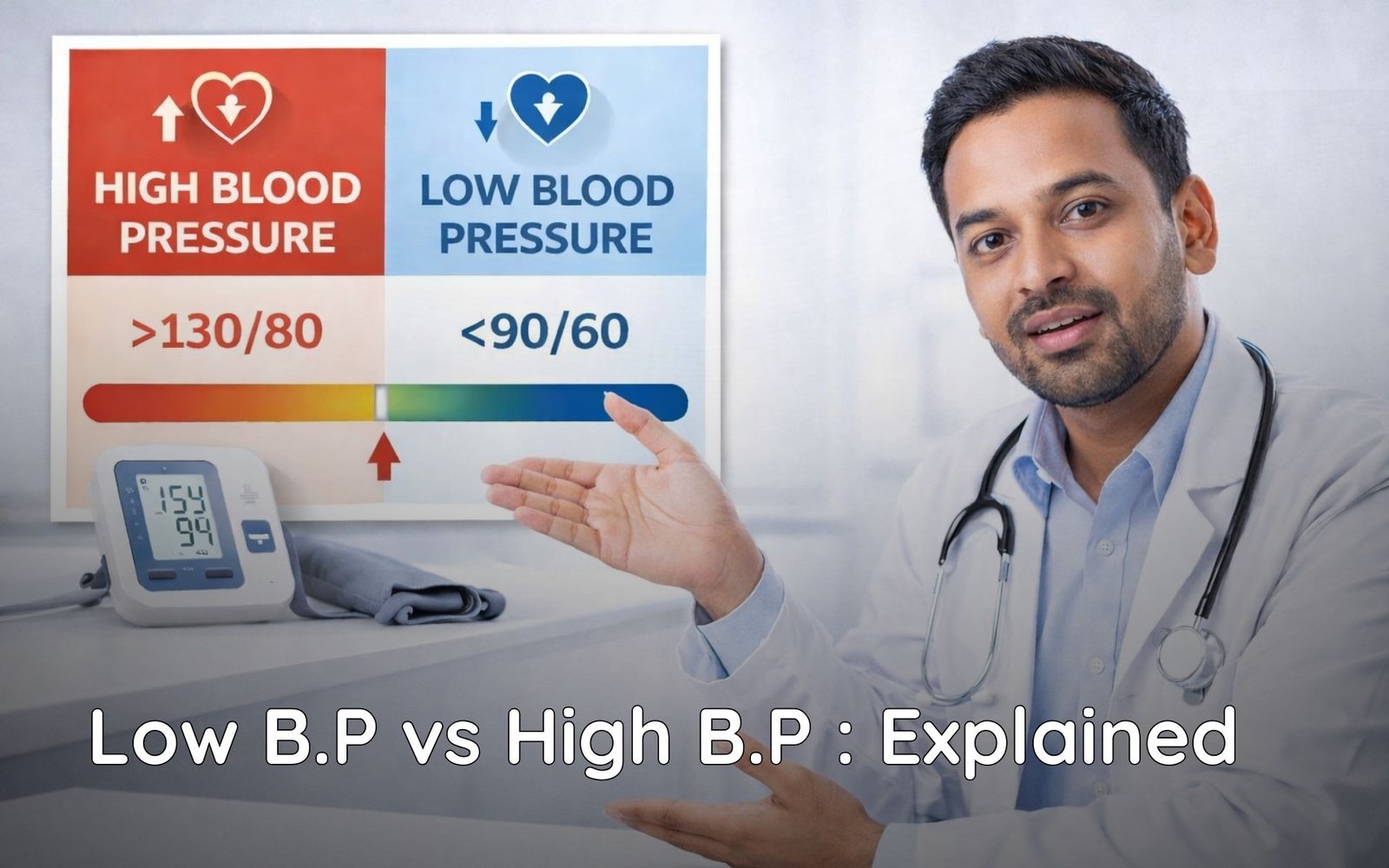
Excessive or insufficient blood pressure may influence your body in serious ways. High blood pressure (hypertension) exposes you to the risk of heart attack, stroke, and kidney problems, which often have no warning signs. Although less discussed, low blood pressure (hypotension) may result in dizziness, fainting, and in certain cases, shock or organic injury in case of unaddressed cases. Low Blood Pressure vs High Blood Pressure Symptoms help people understand how dizziness differs from headaches and chest pain.
High and Low Blood Pressure Explained
High blood pressure and low blood pressure values are normally presented in two numbers, namely high and low. The initial figure referred to as systolic is the pressure of your arteries during the time when the heart contracts. The second, which is called diastolic, presents the pressure at the time the heart takes a rest between beats. Blood pressure symptoms explained in simple words make it easier to recognize early health problems.
You have been said to have high blood pressure (hypertension) when on two occasions, your readings revealed a systolic pressure of 140 mmHg or more and/or a diastolic pressure of 90 mmHg or more. Low blood pressure vs high blood pressure symptoms help people understand opposite health risks.
Symptoms of High Blood Pressure
The symptoms of High Blood Pressure include headaches, weakness, as well as damage to organs like the liver, kidneys, heart, and spleen. What causes low and high blood pressure includes factors like dehydration, stress, poor diet, and lifestyle habits.
The hypertension may build up over the course of many years and harm the arteries and the heart. It can cause heart disease, stroke, kidney damage, and loss of vision. Doctors explain low blood pressure vs high blood pressure symptoms during routine checkups.
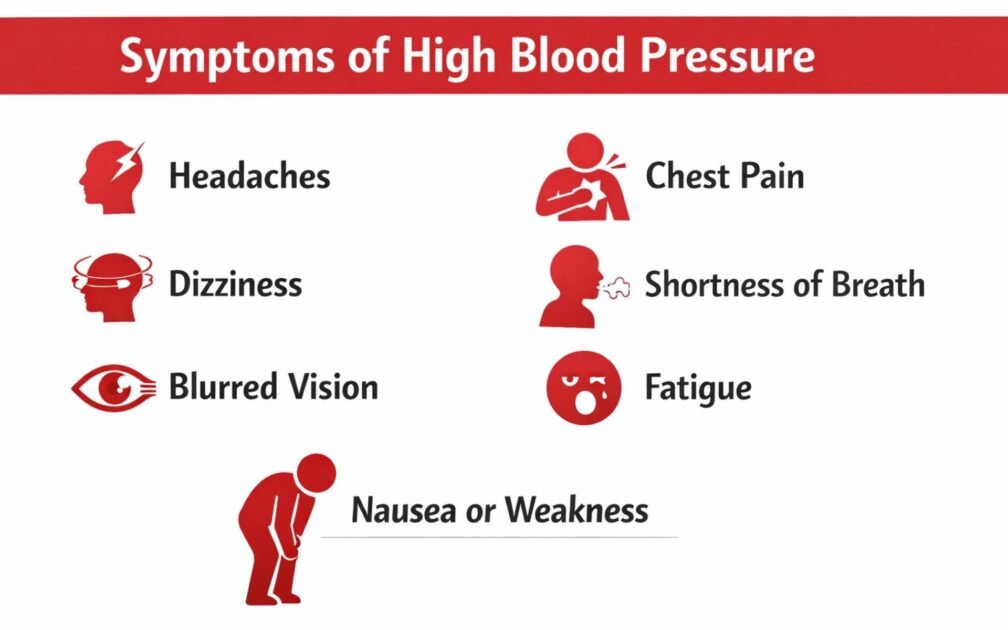
Early detection of the slight symptoms of high blood pressure or hypertension is central to reducing the risks of health-related complications before they emerge.
Headaches
Headaches are one of the most prevalent signs of high blood pressure. Patients often confuse low blood pressure vs high blood pressure symptoms. Specifically, the pain or tension headaches in the temples when waking up can be caused by high blood pressure. The process is associated with the accumulation of blood pressure within blood vessels that deliver blood to the brain. Blood pressure warning signs such as blurred vision, fatigue, or sudden headaches should never be ignored.
Dizziness or Lightheadedness
Rubbing eyes after waking up and light-headedness are common when getting out of a seated or prone position into a standing one. The cause of this symptom is an abrupt decrease in blood pressure because of the malfunction of mechanisms that stabilize blood circulation to the brain. Online guides compare low blood pressure vs high blood pressure symptoms clearly.
Vision Changes
In the long run, high blood pressure leads to the strain of the small blood vessels that transport blood to the eyes. This can cause visual symptoms of blurred vision, poor night vision or the perception of spots and floaters. Early diagnosis depends on low blood pressure vs high blood pressure symptoms.
Shortness of Breath
Straining or difficult breathing when she performs her daily tasks are some of the indicators that the heart is overworking to pump blood. Shortness of breath may be accompanied by chest pain or tightness as the coronary arteries are overstrained. Seniors should monitor low blood pressure vs high blood pressure symptoms carefully.
Facial Flushing
Another symptom of a possible high blood pressure is a reddened face, where the blood vessels are just below the skin surface. Flushing can also indicate an increase in adrenaline, an outcome and a cause of hypertension. Understanding low blood pressure vs high blood pressure symptoms improves lifestyle choices.
Pounding Sensations
You can hear some terrifying pounding, roaring, or aching in your neck, chest, or ears. This is caused by the accelerated heart rate and the turbulent flow of blood in the partially obstructed blood vessels close to the skin.
Nosebleeds
Although nearly everyone experiences a nosebleed at some point in his or her life, recurrent and excessive bleeding may be an indicator of hypertension. The delicate blood vessels within the nasal passages are particularly vulnerable to rupture under the impact of a spike in blood pressure. The difference between low and high blood pressure affects treatment decisions.
Severe Symptoms
When the blood pressure is over 180/120 mmHg in a hypertensive crisis, individuals are prone to anxiety, confusion, a terrible headache, irregular heartbeat, and stroke symptoms. Doctors explain the difference between low and high blood pressure to patients. Extremely high blood pressure may cause damage to vital organs without emergency treatment.
Low Blood Pressure Symptoms
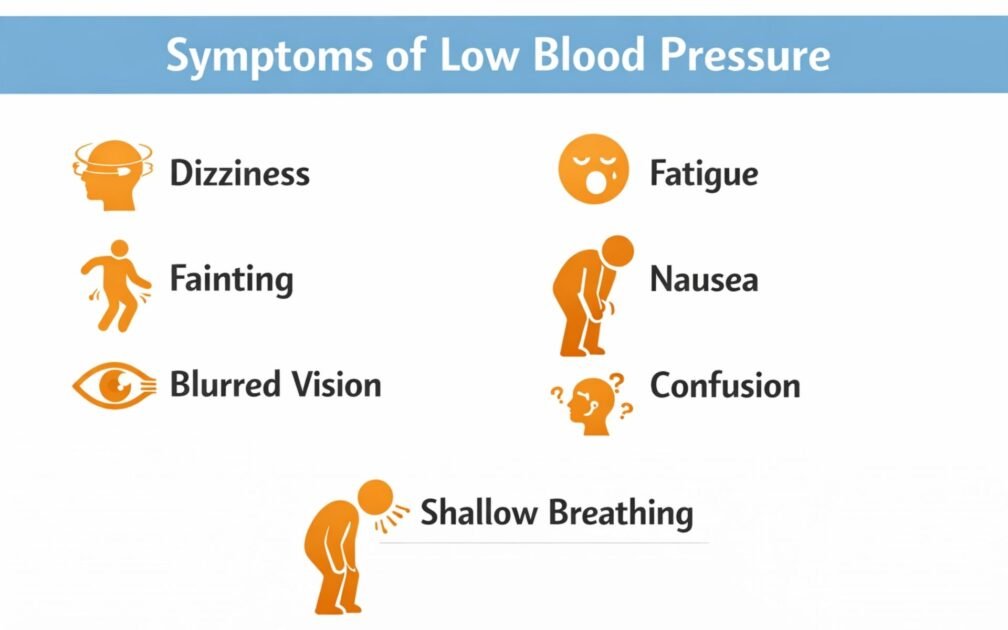
Although more attention is given to high blood pressure, low blood pressure (hypotension) should be mentioned as well. It arises when the blood pressure decreases below 90 mmHg systolic or 60mmHg diastolic. Knowing the difference between low and high blood pressure helps manage health.
Lightheadedness When Sitting or Standing
The pool of blood in the legs appears when the person is lying or sitting up to the standing position because of the effect of gravity. Little blood is transported to the brain, and it provokes the onset of such symptoms as dizziness, weakness, ear ringing, or temporary loss of vision. These are resolved again by lying or sitting. Medical tests show the difference between low and high blood pressure clearly.
Blurred Vision
Poor perfusion pressure implies a lack of blood with sufficient oxygen to the eyes. These eyes need enough blood circulation to be functional. Blurry vision is caused by a lack of a consistent supply of nutrients and oxygen in the cells in the retina and the optic nerve. Lifestyle changes depend on the difference between low and high blood pressure.
Weakness or Fatigue
Low blood pressure results in a deficiency of oxygen and nutrients to the vital organs and muscles through the blood. The symptoms of low BP and high BP vary from person to person. The result of this starving blood supply is individuals susceptible to general body weakness and overfatigue despite low activity levels.
Fainting
When blood pressure suddenly falls to a very low level, loss of consciousness due to slowed blood flow to the brain will occur in a short time. Ignoring symptoms of low BP and high BP can be dangerous. Fainting is the body’s defence mechanism against dangerously inadequate cerebral perfusion. You must be aware of low blood pressure vs high blood pressure symptoms to avoid such severe conditions.
Cognitive Problems
Low blood pressure may be accompanied by mental confusion, attention deficits, slowed thinking, and memory problems. The brain entirely depends on the continuous supply of oxygenated blood, and this is reduced by hypotension. In the elderly, this increases the chances of dementia development. Doctors check symptoms of low BP and high BP during diagnosis.
Nausea
The digestive system needs a healthy circulation of blood to work. During the fall in blood pressure, the stomach and the intestines are subjected to impaired perfusion. The outcome may be severe nausea, vomiting, cramping or anorexia.
Rapid, Shallow Breathing
Low blood pressure and disrupted gaseous exchange are countered by the body breathing faster and shallower. This is momentary in assisting to raise oxygen saturation, but is an inefficient mechanism. Common symptoms of low BP and high BP include dizziness or headaches.
Conclusion
High and low blood pressure can equally hugely affect you. Whereas hypertension is a condition that needs close monitoring to prevent its most serious outcomes, hypotension, though not as prevalent, is still to be considered to avoid the risky changes in blood pressure levels.
Understanding symptoms of low BP and high BP improves heart health. Luckily, the two ailments can in most cases be treated by lifestyle changes, appropriate diet, physical activity and medication where need be. It is possible to treat the condition of both high and low blood pressure with the help of the right approach to be able to keep your heart and the state of your well-being in a healthy condition.
FAQs
What are the symptoms of high blood pressure?
There are no noticeable symptoms of high blood pressure, but some would complain of headaches, dizziness, shortness of breath and bloody nose in case of severe cases.
And what is low blood pressure (hypotension)?
Low blood pressure is when the readings are below normal, which falls below 90/60 mm Hg and may lead to dizziness, fainting, fatigue or blurred vision.
What can I do to increase my low blood pressure?
Raising fluid intake, eating fewer meals, taking more salt (with professional guidance), wearing compression stockings, and standing up slowly after sitting or lying down can be used to increase blood pressure.
Does she risk experiencing high blood pressure and low blood pressure?
One may also have high and low blood pressure, which may vary, particularly because of stress, some medications, or other underlying health conditions. They should be monitored frequently.
How do I know when to visit a doctor when there is a problem with blood pressure?
Your healthcare provider should be contacted in case of high or low blood pressure levels that are constant, any other strange symptoms, as well as when you cannot control your blood pressure by using lifestyle changes. Checkups should be taken frequently.
Yoga Teacher Training Courses in Rishikesh

100 Hour Yoga Teacher Training in Rishikesh

200 Hour Yoga Teacher Training in Rishikesh

300 Hour Yoga Teacher Training in Rishikesh







Leave a comment: