
- 21 Views
- 11 Min Read
- (0) Comment
The majority of individuals are going into the training of yoga to enjoy the physical advantages, but yoga can do us good in many other ways. Yoga is also highly spiritual, and most of the poses have deeper purposes than just stretching and building muscle mass. The holistic effect which is achieved by yoga allows the practitioners not only to become stronger and more flexible in their bodies, but to become better in their emotions, mentality and concentration. The spiritual meaning of Yoga teaches us about inner awareness and connection with the soul.
This ancient science transcends beyond the physical aspects, by way of enhancing the relationship between mind, body and most essential of all, the spirit. The spirituality in yoga can assist the yogis in improving the integration of the inner being and oneness with the Supreme Consciousness. And it all begins with the body and the asanas or poses. Yoga and Spirituality are deeply connected as yoga guides the mind toward higher truth.
Yoga and its spiritual associations
Yoga has always been considered not only as a physical activity but also a highly spiritual one for centuries. Developed in the Indian tradition of antiquity, yoga is a way leading the student through the outermost levels of being to the very core. In the era of inner peace, harmony, and self-awareness, the spiritual nature of yoga offers the path and the direction. Yoga for Spiritual Awakening helps a person become conscious of their inner self.
Yoga is a complete discipline that is aimed at establishing a balance between the mind, body and spirit. Although most individuals identify yoga as physical positions or asanas, it is rather a spiritual practice that dates back thousands of years. The true meaning of Yoga in Spirituality is the union of the individual soul with the universal energy.
Yoga has its philosophy based on the Hindu tradition
The yoga poses that most people identify with yoga are only physical poses or asanas. The postures aim at assisting people to get rid of physical tension and become more flexible and strong. But what is really good about yoga is the mental and spiritual elements of the process I have mentioned in the previous part of this post. The spiritual purpose of Yoga is to bring harmony between body, mind, and spirit.
The philosophy of yoga is based, essentially, on the idea of the material world and its various forms, and this is Prakriti. This covers all that we see and touch, including the natural environment surrounding us. The yoga philosophy states that the material world consists of three fundamental qualities or gunas, i.e. tamas (inertia), rajas (activity), and sattva (purity).
What is the spiritual meaning of yoga?
It is the journey toward inner unity and self-discovery. These gunas are in constant motion with each other, and this gives rise to a dynamic and ever-changing universe. They are, however, also known to bring imbalances and disharmony with our environment and ourselves. The yoga practice helps us to find the balance and harmonization of these energies, which bring more peace, clarity, and equilibrium into our lives. Union of body, mind, and soul is the core goal of yogic practice.
Yoga is of great help in balancing these energies, and one of the most important means through which this is achieved is by doing asanas or physical postures. We are also not just stretching and tightening our muscles as we pass through various poses, but we are also paying attention to our breathing and the feeling in our bodies. This assists us in getting more present and embodied and to discharge any tension or blockages that might be causing us to hold back. Yoga beyond physical exercise means understanding yoga as a complete spiritual discipline.
Yoga Beyond the Physical
The majority of the population associates the concept of yoga with poses, flexibility, and possibly breathing exercises. However, the term yoga derives its name from the Sanskrit term yuj, which means to unite and hence the union between the mind, body, and soul. Self-realization through yoga allows a person to discover their true nature.
It is not simply poetry or philosophy. It is the existent reality of the sages, the seekers, and the yogis who have trodden this path. Our physical body is not the only part of our being. Yoga appeals to each of the five levels (Pancha Koshas) of our being: body, breath, mind, intellect, and bliss, leading the student inwards to spiritual awakening. Higher consciousness in yoga develops through meditation and disciplined living.
The True Purpose of Yoga
Although yoga is a natural by-product of health and fitness, liberation or moksha is the end outcome. Yoga is not only to make us bend better, but to make us live better, compassionately and calmly. Every yogic practice is a journey into the depths, into the centre of peace that is inside every one of us.
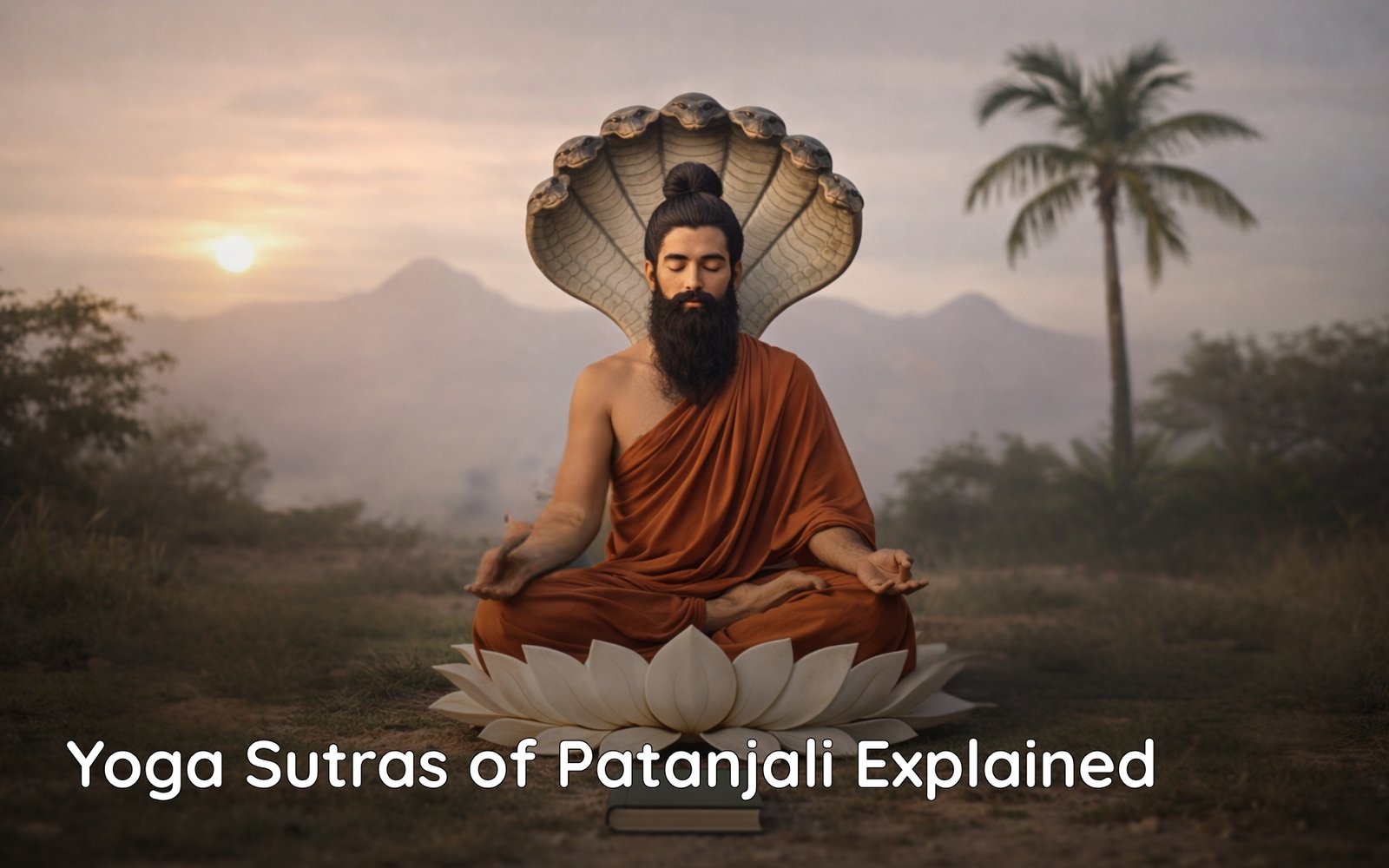
Based on the Yoga Sutras of Maharshi Patanjali, yoga is a spiritual technique which assists in calming the alterations of the mind (chitta vritti) by increasing awareness. Inner peace through yoga comes when thoughts become calm and balanced.
What does the practice of yoga contribute to the attainment of a spiritual or philosophical insight?
Yoga has more than physical practice. The remaining seven yoga limbs are concerned with the development of inner peace, wisdom and self-awareness. These include:
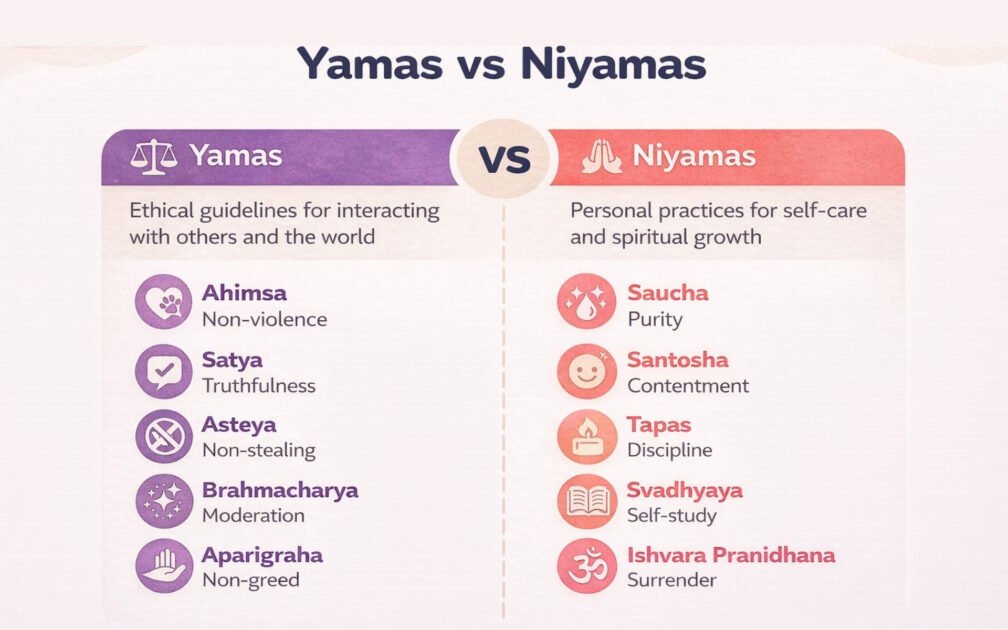
- Yamas: moral values that determine how we treat other people.
- Niyamas: Self-practices that encourage self-control and spiritual development.
- Pranayama: breathing techniques that are used to relax the mind and boost energy.
- Pratyahara: the withdrawal of the senses to go inward and concentrate on the mind.
- Dharana: concentration exercises to assist in mind concentration.
- Dhyana: meditation techniques that result in more insight into the self.
- Samadhi: It is the state of blissful absorption where the practitioner unites with the divine.
Yoga can assist us in developing a better self and our role in the world through these practices. It shows us to abandon our ego and understand that we are not alone and are instead a portion of something far bigger than ourselves. Yoga as a spiritual path guides seekers toward truth and enlightenment. When we make the habit of doing yoga, we start to look at the surrounding world and feel clearer and kinder.
A Spiritual Foundation through Ashtanga Yoga
The Yama and Niyama: The Ethical Core
The spiritual path of yoga starts with the Yamas and Niyamas, the moral and ethical practices of yoga. These are not the commandments of religion but the universal rules that bring peace in us and around us.
- Yama (Restraints): Ahimsa (non-violence), Satya (truth), Asteya (non-stealing), Brahmacharya (moderation) and Aparigraha (non-possessiveness).
- Niyama (Observances): Shaucha (cleanliness), Santosha (contentment), Tapa (discipline), Swadhyaya (self-study), Ishwara Pranidhana (surrender to the divine)
With their application in good faith, these principles create a spiritual base that will automatically result in self-awareness and peace. Is yoga a spiritual practice or physical exercise? It is both, but its deeper aim is spiritual evolution.
Pranayama: Adjusting the Life Force
Pranayama does not only mean breath control, but it also means the management of energy. We interrelate the body and the mind through the breath, and we can begin to sense the life-sustaining subtle energy (prana) through regular pranayama. The connection between yoga and soul is built through regular meditation and self-reflection.
Whenever we are breathing consciously, we relax the nervous system and come into harmony with something bigger than ourselves. Pranayama has been traditionally used by spiritual adepts as a way of getting the mind ready to meditate and be silent. How does yoga help in spiritual growth? Yoga purifies the mind and strengthens awareness.
Dhyana: Heart of Spiritual Yoga
The gateway to the inner Self is called Meditation or Dhyana. It is in silence that the inner side of yoga works out. Meditation does not mean getting away with reality, but relates to relating to the eternal and unchanging reality. Enlightenment through yoga happens when ignorance is replaced by wisdom.
Meditation transcends training. It turns into a state of consciousness when the mind is silent, the ego disappears, and the spirit is glowing.
Various Leanings of Yoga and Spiritual Expression
- Bhakti Yoga- The Way of Devotion: The Bhakti Yoga is based on chanting, kirtans, and prayer. In this case, Divine love takes the role of spiritual bridge. This is the renunciation of the ego in devotion that leads to change.
- Jnana Yoga – The Path of Wisdom: It is the yoga of inquiry, study and introspection. It poses the question, Who am I? and attempts to overcome illusion (maya) to have the eternal Self.
- Karma Yoga: The Way of the Selfless Action: The spiritual essence of Karma Yoga is doing things without being attached to them. It idealises ordinary existence, making each responsibility a sacrifice.
- Raja Yoga – The Royal Path: Such a path comprises ethics, sense withdrawal, concentration, meditation and finally, absorption (samadhi). It is a comprehensive approach to spiritual development.
The position of the Guru of the Spiritual Journey of Yoga
According to Indian yogic tradition, the Guru is viewed as the light that takes away the inner darkness. Spiritual yoga is not a self-help process. It is an experienced teacher or a soul that has achieved enlightenment that can guide a person through the pitfalls, ego traps and false paths.
Ancient spiritual wisdom of yoga comes from thousands of years of sacred teachings. An authentic Guru does not provide solutions. They assist in making us question. With them, the path is made more understandable, and the relationship with the divine is made intimate. Divine union in yoga represents merging with universal consciousness.
Misconceptions regarding Yoga and Spirituality
- Myth: Yoga is a religion.
- Truth: Yoga is a spiritual science that is accessible to anybody, not dependent on religious affiliation.
- Myth: Spirituality in yoga can be felt only by advanced practitioners.
- Truth: Spirituality starts with the initial moment of self-consciousness and honesty.
- Myth: You should denounce the world to be able to practice spiritual yoga.
- Truth: Yoga teaches karma phala tyaga – to work in the world, yet not be attached to the consequences of the result of such selfless work.
Teaching: the student should be taught how to incorporate Spiritual Yoga into his or her daily life.
Spiritual yoga is not independent of life; it is life that is consciously lived. How yoga leads to self-realization? Through meditation, discipline, and mindful living.
How to Add Spirituality to Your Yoga Practice?
The following are easy methods of adding spirituality to your yoga practice and everyday life:
- Start your day with a prayer of thanksgiving and silence.
- Focus your asana practice on something more than weight loss or flexibility.
- Recite a mantra or memorise shlokas when walking or cooking.
- Engage in nighttime self-reflection/journaling.
- Always surround yourself with people who make you grow internally.
It is important to bear in mind that even a simple action performed with complete awareness may turn into a form of spiritual practice. Spiritual benefits of practising yoga daily include peace, clarity, and a deeper connection with the self. Spiritual benefits of practising yoga daily include peace, clarity, and a deeper connection with the self.
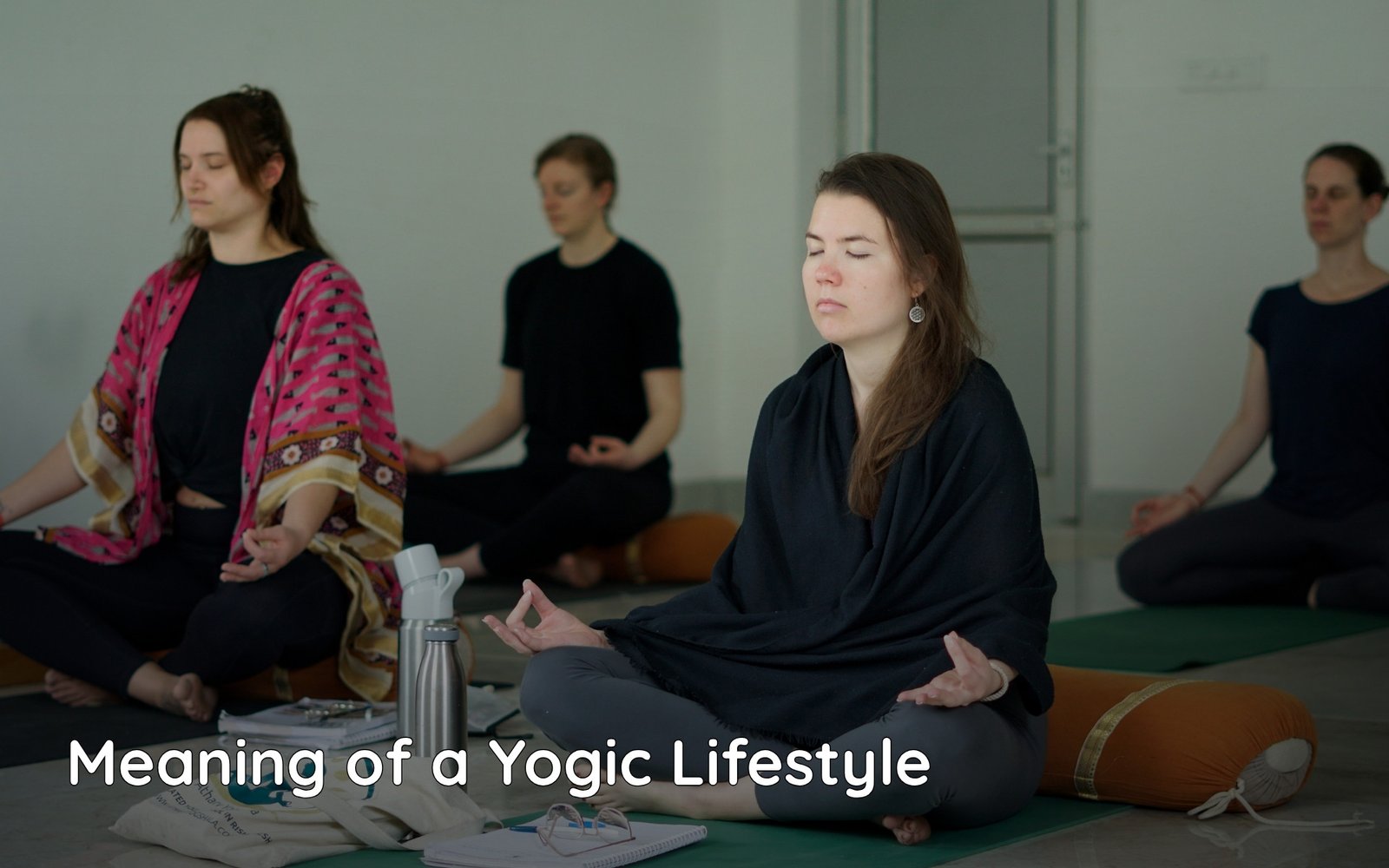
Read More About : Meaning of a Yogic Lifestyle
Conclusion
Finally, yoga philosophy is not entirely based on physical practice, but it aims at enhancing the well-being of a person by employing spiritual and mental activities, such as meditation. Meditation and spiritual growth go hand in hand in yogic philosophy. Through knowing and applying the eight limbs of yoga, one can have a more intimate relationship with oneself or the surrounding world.
Meditation is an activity that can be included in a yoga practice to maximize the effectiveness of this activity and enable people to develop balance and harmony in their lives. Thus, in case you want to learn yoga, do not forget to come to this practice with an open mind and a desire to delve into the spiritual and mental side of the practice. Path to Liberation (Moksha) is achieved by freeing the soul from worldly attachments.
Frequently Asked Questions
1. How do yoga and spirituality relate to each other?
The way that brings body, mind and spirit together is yoga. Although asanas and breathing methods help in enhancing physical health, the ultimate goal of yoga is spiritual in nature; self-realization, inner peace, and liberation.
2. Will I feel spiritual using yoga even as a newcomer?
Absolutely. All the hearty breathing, all the honest efforts at getting conscious of your interior condition are spiritual. When we look inwards, we start spiritual development in yoga.
3. Is it necessary to have a religion to gain the spiritual benefits of yoga?
No. Yoga is not confined to religion. It is a universal way that is based on self-awareness and personal change. Its spiritual nature can be used by people of any faith.
4. What is the inner peace yoga gives?
Yoga tapers the mind, equalizes the mind and aligns us with our higher Self. We grow less and less reactive, more centred, more peaceful even in chaos, with practice.
5. What does spiritual yoga mean by meditation?
The essence of spiritual yoga is meditation. It conditions the mind to go inwards, dissolve the ego and reach the timeless space. It is in the process of meditation that a person tends to have glimpses of the Self.
Yoga Teacher Training Courses in Rishikesh
100 Hour Yoga Teacher Training in Rishikesh
200 Hour Yoga Teacher Training in Rishikesh
300 Hour Yoga Teacher Training in Rishikesh




Leave a comment: