

- 410 Views
- 8 Min Read
- (0) Comment
Yoga Alliance vs Other Certifications: Which Is Best
Yoga is extremely popular across the world, and there is a need for certificate standardisation of yoga teachers and practitioners. There are two major certification authorities governing yoga education and accreditation: the Yoga Certification Board (YCB) under the Ministry of AYUSH, Government of India, and the Yoga Alliance, US. Although the two organizations work towards improving quality yoga education, the operating manner, recognition, and standards differ greatly. Many new teachers choose the Yoga Alliance certification to get global recognition. Hence, it is a necessity to know more about both alternatives to discover the most suitable one for your career goals.
What is Yoga Alliance?
Yoga Alliance is a non-profit organization in the USA. It establishes standards of yoga teacher training and certifies yoga schools and teachers. Founded in 1999, it has a mission of supporting the yoga community and holding the integrity and diversity of yoga teaching.
Yoga Alliance Certification Levels
There are some levels of certification provided by Yoga Alliance, such as RYT 200 and RYT 500, as well as special titles such as RCYT and RPYT. These credentials identify the fact that a teacher has already gone through a certain number of training hours, and he or she has passed the standards of the organization. A Yoga Teacher Certification Comparison helps students understand which program fits their goals best.
Benefits of Yoga Alliance Certification
Global recognition is also one of the main advantages of the Yoga Alliance certification. Certified teachers are exposed to an enormous pool of resources, opportunities to further their education, and a supportive community. Completing a 200-hour Yoga Alliance certificate prepares you to start teaching beginners confidently. Moreover, the Yoga Alliance directory may make you more visible and credible as a yoga instructor. Hence, while comparing Yoga Alliance vs other programs, many teachers prefer the flexibility and global value of the Yoga Alliance pathway.

Why is the Yoga Alliance the most popular certificate?
The Best yoga certification depends on your goals, specializations, and whether you want international teaching options. There are other alternatives to Yoga Alliance, and also other ways by which you can establish yourself as a yoga trainer. It is, however, very advantageous to belong to this organization because you become a member of a greater yoga community. However, the choice between RYT vs non-RYT depends on whether you want a credential recognized by studios worldwide.
Key reasons for its popularity
The reasons behind the popularity of Yoga Alliance certification are the following;
- Global recognition: The credentials of the Yoga Alliance are an internationally recognized standard, which means that certified instructors can work in studios, wellness centres, and retreats around the globe.
- Improved career prospects: The certification exposes different teaching options, such as online teaching, conducting retreats, and employment in wellness centres.
- Credibility and trust: It offers a mark of quality, which will be achieved to assure the employers and the students that a teacher has undergone some international standards of training and safety.
- Standard training: Yoga Alliance prescribes standards to its Registered Yoga Schools (RYS), ensuring some standard of quality of the teacher training program.
- Professional development: The certification system, containing the Registered Yoga Teachers (RYT), offers a structure of professional development for a teacher.
Learning the Major differences between YCB and Yoga Alliance
In 2018, the Ministry of AYUSH, Government of India, created the Yoga Certification Board (YCB) to standardise and popularise authentic yoga practices using the Indian traditional knowledge. Many new yoga teachers research Yoga Alliance vs Other Certifications: Which Is Best? to understand which option offers better credibility and career opportunities. It provides quality education in yoga and internationally recognized certifications.
Yoga Alliance, on the other hand, is a non-profit organization that is located in the United States. It is considered one of the biggest locations of yoga teachers and yoga schools globally. It was created to guarantee some level of yoga education by suggesting the number of hours needed to be trained (e.g., 200-hour and 500-hour programs).
Key Differences
- Curriculum Standardization:
The certification of YCB is based on a standard curriculum that is common in all the accrediting institutions, whereas Yoga Alliance allows flexibility in the curriculum and style. This helps in making the YCB certification more uniform across the world.
- Government Recognition:
The Indian government supports YCB, giving it official power and credibility. Yoga Alliance, however, is a non-profit organisation.
- Assessment Process:
The certification of YCB is a rigorous process, and it ensures that the candidates are well conversant with the theory and practice. Yoga Alliance is more based on the sincerity of schools that did not validate them seriously.
- Career Opportunities:
YCB certification is internationally respected, and this means that certified professionals have a higher opportunity of teaching in any part of the world. Yoga Alliance certification has some recognition as an international certification, but it might not have the official credibility that the YCB offers.
- Long-term Benefits:
YCB certification makes professionals visible and employable as they are posted on the Ministry of AYUSH website. The certification also provides an opportunity for greater employment opportunities in government-run institutions and organizations around the world.
Which one to choose
- In the case of government establishments or employment in India, YCB will be preferred due to its official status and acceptability in the Indian government system.
- In the case of teaching in overseas private studios, Yoga Alliance offers an internationally recognized standard that is readily accepted in numerous countries.
- To emphasize a traditional yogic philosophy, YCB has a program that is steeped in ancient Indian traditions and sanctioned by the Indian government.
- To have flexibility and commercial yoga, the Yoga Alliance can be more flexible and can incorporate the latest trends in fitness.
Conclusion
The selection of an appropriate yoga certification is a serious move that may define your future career as a yoga teacher. Both Yoga Alliance and YCB AYUSH can be proposed as reputable certification programs that can meet various needs and aspirations. The decision must be based on the personal goals, teaching style, and your outlook on the direction of your yoga career.
Yoga Alliance offers a wider scope of opportunities in the field of professional growth and development than YCB AYUSH. But still, any of the mentioned certifications represents a worthwhile chance to grow and develop professionally.
FAQs
Does it have international recognition of Yoga Alliance certification?
Yes, Yoga Alliance is recognized and accepted around the world in most countries. It is regarded as a standard qualification for a yoga teacher, particularly in the U.S., Europe, and most regions in Asia. Although it is not a government certification, most yoga studios suggest or demand that teachers be registered with the Yoga Alliance, which makes it useful in case a teacher wants to teach internationally.
Is there any need to be Yoga Alliance certified to teach yoga?
Teaching yoga is not a legal requirement, but most studios will choose to hire teachers registered by Yoga Alliance. It boosts credibility, offers organized training standards, and has such benefits as directories and continuing education. Considering you are willing to teach abroad or in good studios, being registered by the Yoga Alliance will give you a better chance of being hired.
Why is there a difference between Yoga Alliance and YCB?
Yoga Alliance is a non-government, privately owned registry which establishes world-training standards, predominantly in Western countries. The AYUSH Ministry of India has a government-supported certification under the name of YCB (Yoga Certification Board), which is concerned with traditional yoga and the national quality. International teaching is preferably done by the Yoga Alliance, but YCB is more valued in India and government-approved institutions.
Is it possible to teach after doing a 200-hour YTT?
Yes, the minimum number of hours to begin teaching yoga is 200 hours of a Yoga Teacher Training (YTT). It will allow you to teach beginner classes to intermediate classes, regardless of whether it is Yoga Alliance or one of the other accredited schools. Nevertheless, it is possible to become better at teaching and increase employment opportunities in competitive yoga markets through gaining experience, participating in workshops, and continuing education.
What is the difference between RYT-200 and RYT-500?
RYT-200 implies that a teacher has gone through a basic training program of 200 hours. RYT-500 implies that the teacher had an extra 300 hours of training, which added up to 500 hours of specialized training. Teachers with RYT-500 are better prepared in anatomy, sequencing, philosophy, and instructional approach, and thus would be more equipped to teach more advanced classes and become professional teachers.
Is Yoga Alliance a government or control organization?
Yoga Alliance is not a government or regulatory agency. It is a voluntary and private network that establishes guidelines for yoga teacher training programs. It neither licenses teachers nor imposes legal regulations. Instead, it offers guidelines, a worldwide contact, and credibility to the teachers who wish to teach in accredited yoga studios across the globe.
Which certification is better for yoga therapy—Yoga Alliance or IAYT?
In the case of yoga therapy, the preferred one is IAYT (International Association of Yoga Therapists). IAYT provides evidence-based training in specialized fields in relation to the therapeutic use of yoga. Yoga Alliance does not offer therapy qualifications as such, only general yoga teacher qualifications. In case you prefer to work in wellness centres, rehabilitation clinics, or in clinical settings, IAYT certification is more appropriate.
Why should I choose a Yoga Alliance Registered School in Rishikesh?
By selecting a Yoga Alliance Registered School in Rishikesh, one can be assured of a guided curriculum, well-trained educators, and globally recognised international certification. Rishikesh is referred to as the Yoga Capital of the World, which provides genuine yogic traditions, a spiritual setting, and low-cost training. Your YTT in this location is combining international acknowledgement with conventional practice to increase credibility, along with personal change.
Yoga Teacher Training Courses in Rishikesh

100 Hour Yoga Teacher Training in Rishikesh
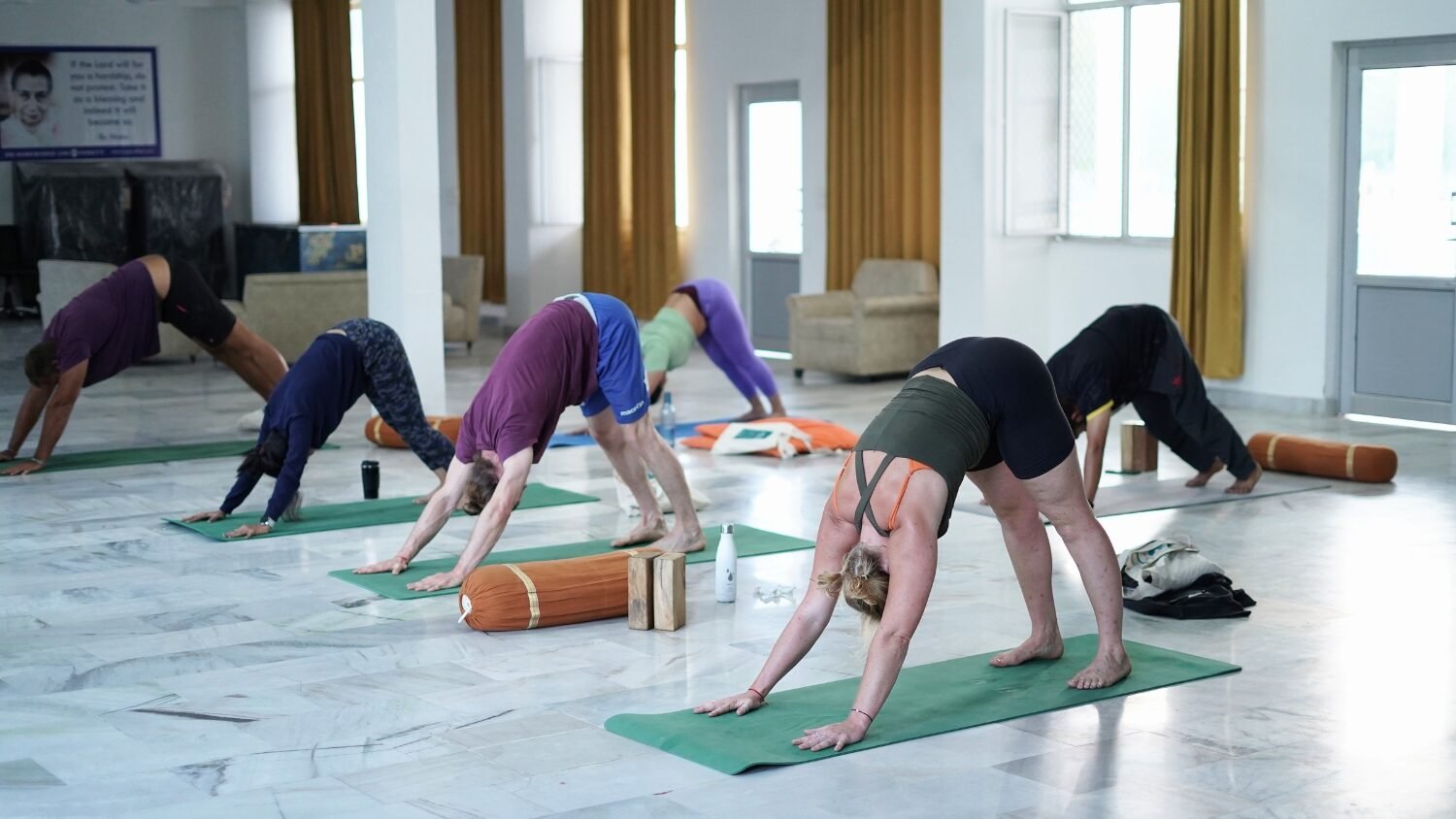
200 Hour Yoga Teacher Training in Rishikesh
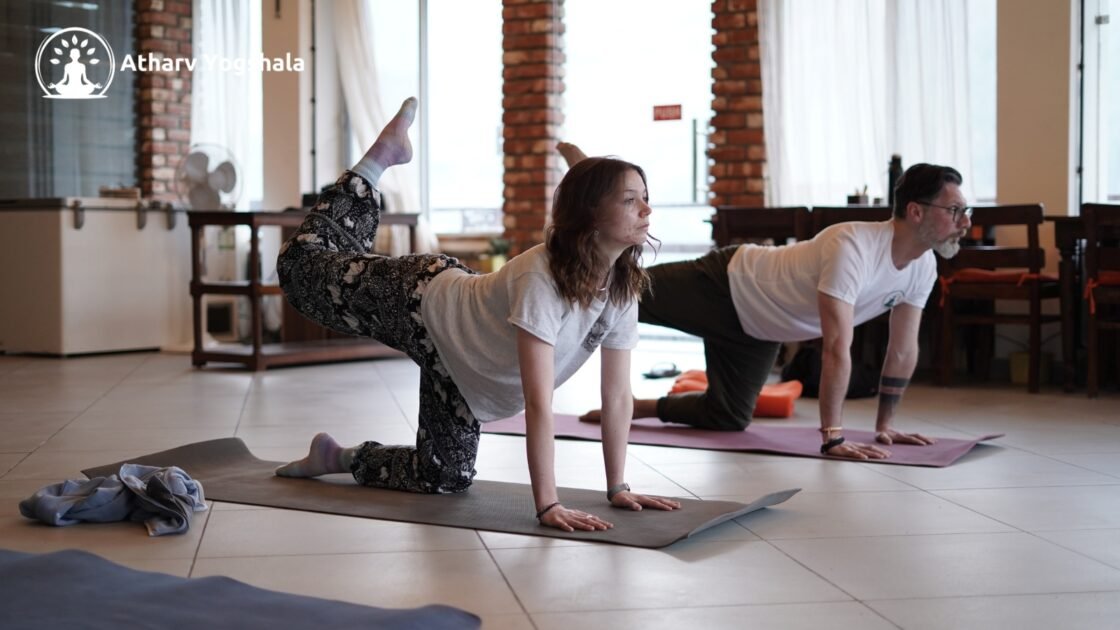
300 Hour Yoga Teacher Training in Rishikesh




Leave a comment: