Best 100 Hour Yoga Teacher Training in Kerala

Our 100 Hour Yoga Teacher Training in Kerala is a 15-day residential course held in Varkala, a quiet cliffside beach town with an active yoga community. It is a short, focused introduction to yoga that covers the foundations of practice and teaching, and it is also the natural entry point for students who later want to continue on to a 200-hour course. Whether you want to deepen your personal practice or take your first step toward becoming a certified yoga teacher, this course gives you a solid, authentic grounding in Hatha Yoga.
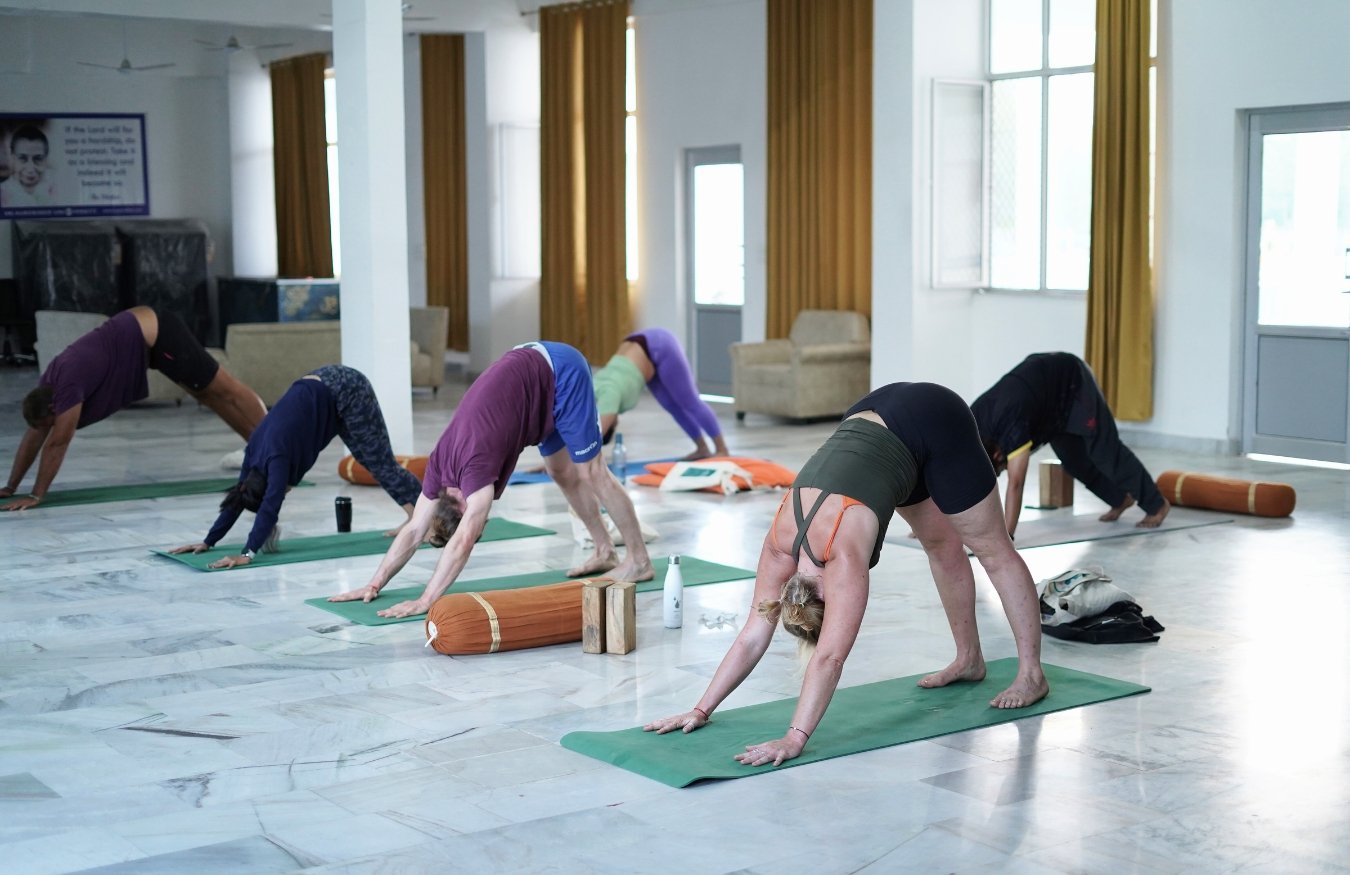
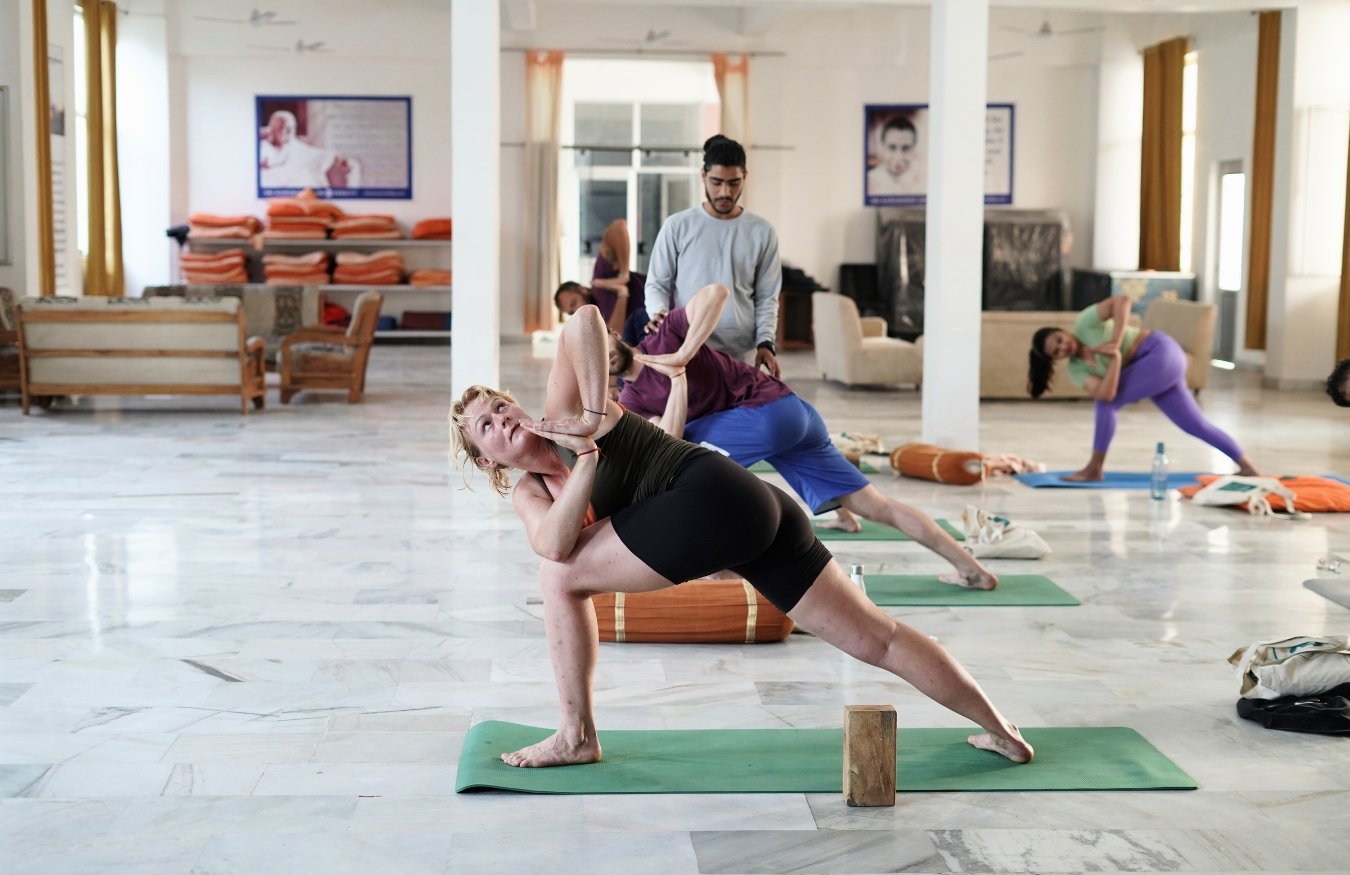
The course is residential — you live, eat, and practice at our Kerala location alongside your teachers and fellow students. Daily classes cover asana, pranayama, meditation, and the basics of yoga philosophy and anatomy, structured so that complete beginners can follow along while still being challenged. By the end of the 15 days, you will have a self-practice foundation and a school certification recognising your training.
Why Choose 100 Hour Yoga Teacher Training Course in Kerala
Kerala offers a calmer, more intimate alternative to our Rishikesh campus — small batches, a peaceful beach-town setting, and the same traditional Hatha Yoga curriculum taught by experienced instructors. It's an ideal choice if you want an authentic short-format YTTC without compromising on guidance or attention.
Small class sizes mean personal correction and feedback throughout the course, so you leave with real confidence in your practice — not just notes from a lecture. Many students use this 100-hour course as a stepping stone before returning for a 200-hour certification.
Atharv Yogshala offers this 100-hour teacher training in Kerala to students who want to learn yoga and explore teaching without committing to the full 200-hour program. You'll build a genuine theoretical and practical understanding of yoga in a shorter timeframe.
Who Can Join the 100 Hour Yoga Teacher Training in Kerala
This course is open to people of all backgrounds, nationalities, and experience levels — no prior yoga experience is required. It suits beginners who want a structured introduction to yoga, as well as practitioners who want to formalise their existing practice with a certification. Classes are conducted in English, so a basic understanding of the language is needed to follow instructions and discussions comfortably.
New batches start monthly, and the best seasons to join are October–March and April–June. Whether you're taking a break to reset, exploring a career change, or simply curious about yoga as a lifestyle, this course gives you a genuine, hands-on introduction in one of Kerala's most peaceful settings.
Course Fees & Dates
Date
Fees
Availability
Booking
Course Inclusions & Exclusions
Yoga Certification - 100 Hour YTTC
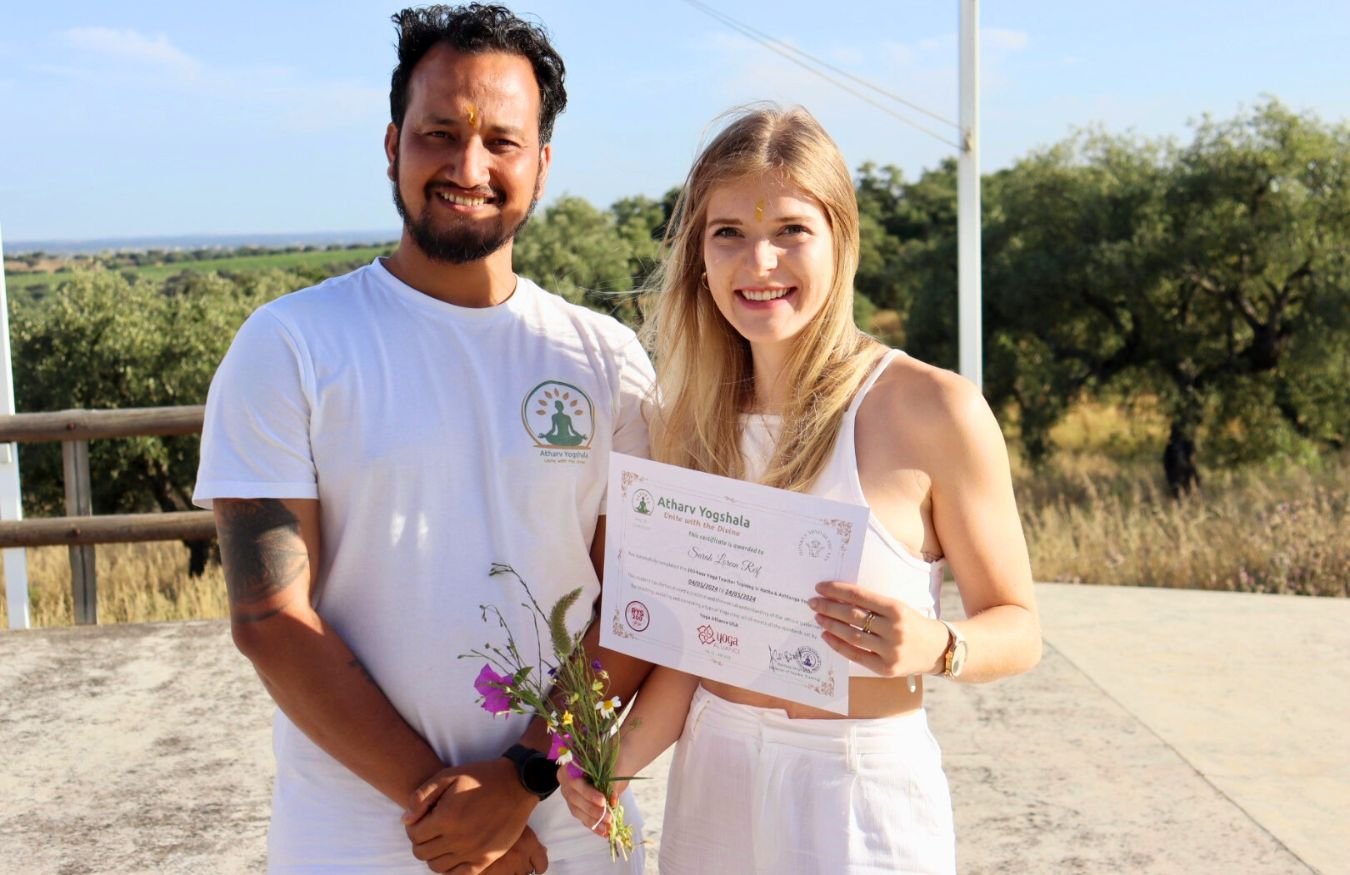
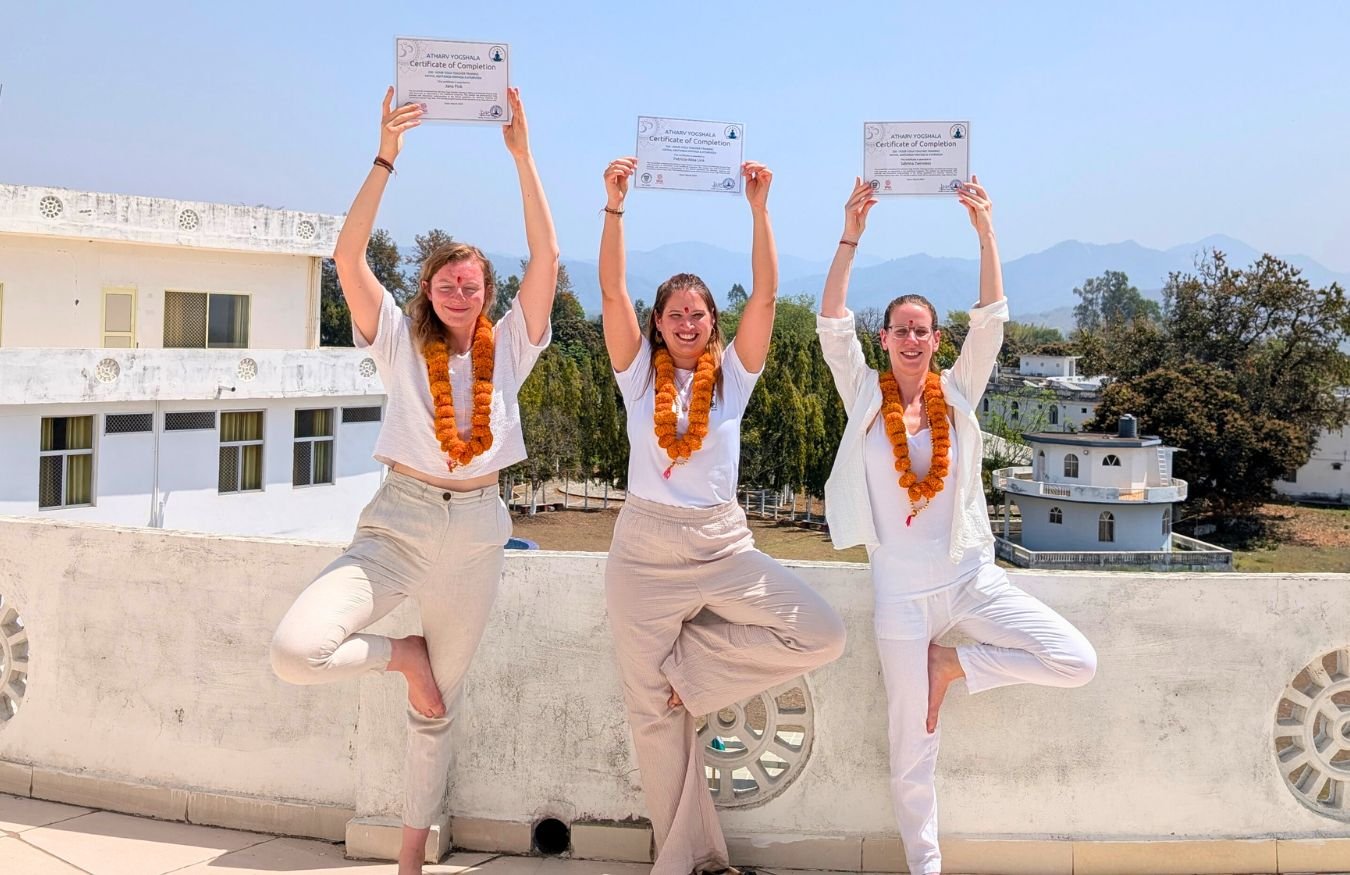
All participants completing a 100 hour yoga training course are eligible to apply for 200 Hour Yoga TTC which is an internationally recognized yoga teacher certification and designation.
You will be able to develop your understanding of yoga at Atharv Yogshala to the point where you will be able to teach yoga professionally. Our graduates can apply to Yoga Alliance to become registered yoga teachers, such as RYT 200 and RYT 500, according to their qualifications.
Evaluation of 100 Hour Yoga TTC in Rishikesh
The overall evaluation of 100 hours Yoga teacher training at Atharv Yogshala India based on below assessment:
- Written assessment - Completion of assignment
- Practical assessment - designing, sequencialising and conducting Yoga session
- Student's conduct throughout the training will be an essential criteria
- Attendance - minimum 90% wherein student must have presented the valid and agreed reason for 10% absenteeism
Course Syllabus: 100 Hour YTTC
At Atharv Yogshala, we offer various yoga teacher training courses to students who are willing to learn the best in the field of yoga and meditation. The curriculum is entirely based on Yoga Alliance standards. We offer residential courses with extra classes in Ayurveda. With our course, we aim to balance our lives and transform them in a positive way. We work in the belief that the world is one family, and with our courses, it is our duty to meet the needs of every individual.
55 Hours
Techniques, Training and Practice
Asana | Assignment | Pranayama | Meditation
10 Hours
Anatomy & Physiology
Introduction to Body and More
15 Hours
Yoga Humanities
History | Philosophy | Ethics
20 Hours
Professional Essentials
Teaching Methodology | Professional Development | Practicum
Mantra Chanting is a powerful tool which develops a spiritual connection inside you. It, in turn, creates a balance between the body, mind, and spirit.
- Art of Mantra
- Science of Mantra
- Power of Mantra
- Formation of Mantra
- Mantra Chanting
- How to chant the mantra properly?
- Om Mantra
- Peaceful Shiva Mantra
- Energetic Durga Mantra
- Joyous Krishna Mantra
- Gayatri Mantra for the purification of the mind
- Sahana Mantra for Guru Disciple Study
- Guru Mantra for paying homage to Guru
Traditional Hatha Yoga sessions conducted by our school are a positive workout for one's physical and mental wellness. It originated years ago with the aim to attain health and peace. The practice also benefits you with strength and flexibility.
- Pavan Muktasana series 1 (Antirheumatic Exercise series 1)
- Pavan Muktasana series 2 (Antirheumatic Exercise series 2)
- Pavan Muktasana series 3 (Antirheumatic Exercise series 3)
- Centering postures series (Yoga Sequence Builder)
- Surya Namaskar (Sun Salutation)
- Standing postures series
- Kneeling postures series
- Sitting Postures series
- Forward bending postures series
- Backwards bending postures series
- Supine postures series
- Prone Postures series
- Fire Series series
- Inversions series
- Twisting postures series
- Balancing Postures series
- Relaxing Posture series
- Meditative Asana Series
- Theory of Hatha Yoga
- Ancient Scriptures & Texts of Hatha Yoga
- Aim and Objectives
- Yoga as a Therapy
- Yoga as Balancing
More than a teaching session conducted by yog gurus, Mysore Style Ashtanga Yoga is a self-assisted and practice class. All students are doing the same sequence and postures, supported by experienced teachers.
- Introduction
- History
- Awakening the Inner Fire
- The Breath of Life (Prana)
- Chakras
- Eight Limbs of Yoga (Ashtanga Yoga)
- The practice of K.Pattabhi Jois
- Bandha practice
- Drishti (Focusing the Attention)
- Use of yoga props and instruments
- Sun Salutation A & B (week 1) - Surya Namaskar Series A & B
- Standing Asana Series (week 2)
- Sitting Asana Series (Week 3)
- Finishing Asana Series (Week 3)
- Teaching Practices (Traditional & Mysore Style- Week 4)
- Padangustasana (Big toes Posture)
- Pada hastasana (Hand under foot posture)
- Utthita trikoṇasana (A+B) (Triangle posture)
- Utthita parsvakonasana (A+B) (Extended side angle pose)
- Prasarita padottanasana (A,B,C,D) (Intense wide leg stretch)
- Parsvottanasana (Intense side stretch posture)
- Utthita hasta padangustasana (Hand to big toe posture)
- Ardha bandha padmottanasana (Half-bound lotus forward bend)
- Utkatasana (Fierce pose)
- Virabhadrasana (Warrier pose) A+B
- Dandasana (Staff pose)
- Pascimattanasana (Intense west stretch or sitting forward bend)
- Purvattanasana (Intense east stretch)
- Ardha bandha padma pascimattanasana (Half bound lotus forward bend)
- Tiryangmukha Eka pada pascimattanasana (Reverse the leg, one leg intense stretch)
- Janusirsasana (Head-to-knee pose)
- Marichyasana (Leg Binding Pose)
- Navasana (Boat Pose)
- Bhujapiḍasana (Shoulder Pressure Pose)
- Kurmasana (Tortoise Pose)
- Suptakurmasana (Reclining Turtle Pose Yoga)
- Garbhapindasana (Womb Pose)
- Kukkutasana (Cockerel Pose, or Rooster Posture)
- Baddha Konasana (Bound Angle Pose, Butterfly Pose)
- Upavistha Konasana (Seated Angle Posture)
- Suptakonasana
- Supta Padangustasna
- Ubhaya Padangustasna
- Urdhvamukha Pascimattanasana
- Setubandhasana (Bridge Pose)
Finishing Postures
- Urdhva Dhanurasana (upward bow posture)
- Salaṁba sarvangasana (shoulder stand posture)
- Halasana (plough posture)
- Karṇa pidasana (ear pressure posture)
- Baddha padmasana (sealed lotus pose)
- yoga mudra (sealed yoga posture)
- Padmasana (Lotus posture)
- Savasana (Corpse pose)
Prana, the life energy Yama means control. It is the foundation practice of the traditional form of yoga. It is not just a breathing practice but much more than this. The class of pranayama reveals its secrets and the power of pranayama to gain the right health, peace, and balance.
The two week course offers a different experience, such as;
- Week 1: Step wise knowledge of pranayama and building strength.
- Week 2: From the beginning to the deep core of pranayama.
Pranayama Topics:
- Definition of Prana
- Definition of Pranayama
- Connection of the Prana and the breath
- Importance of Pranayama
- Preparing ourselves to practice pranayama
- Aspects of Breathing
- Breath flow in 5 elements
- Flow of Prana
- Quality of breath
- Imbalance of Prana
- 6 Sitting postures for Pranayama practices
- Breathing pattern
- Chakras and Kundalini connect with Prana
- Beginners and Intermediate Practices of Pranayama
- Nadi Shodhana Pranayama or Anulom Vilom Pranayama
- Bhastrika Pranayama (Bellows Breath)
- Kapalbhati Pranayama (Skull Shining Breath)
- Bhramari Pranayama (Humming Bee Breath)
- Ujjayi Pranayama (Ocean Breath)
- Sitali Pranayama (Cooling Breath)
- Sitkari Pranayama (Hissing Breath)
- Murcha Pranayama (Swooning Breath Yoga)
- Surya Bhedi Pranayama (Right Nostril Breathing)
- Chandra Bhedi Pranayama (Left Nostril Breathing)
Just like you involve your body in physical exercise for its benefits, in the same way, meditation is an exercise for mental health. With the power of meditation, you can control your mind and block negative and unnecessary thoughts. You enter into a deep state of relaxation where peace is the ultimate goal. During the meditation class, you are advised to sit quietly by keeping your focus on a single thing. It helps you in eliminating tension and stress. With the 200 Hours yoga teacher training course, you get to learn basic and intermediate techniques of meditation.
The two weeks program work as;
- Week 1: Introducing Meditation and Building Foundation
- Week 2: Making the mind able to focus on a single aspect with concentration process and exercises.
What'll you learn?
- What is Meditation?
- History and Origin of Meditation
- How to prepare yourself for Meditation?
- What Meditation is actually?
- What Meditation is not?
- Why to meditate?
- How to meditate?
- Where to meditate?
- When to meditate?
- Philosophy of Meditation
- Meditation Traditions
- Meditation Scriptures
- Aim and Objectives of Meditation
- Sitting Positions
- How to Sit Correctly
- Preliminary Practices Before Practicing Meditation
- Diaphragmatic Breathing in Meditation
- Correct Breathing in Meditation
- How to Relax in Meditation?
- Lifestyle in Meditation
- Diet of Meditation
- Why should one sleep while meditating?
- What are the rules of meditation?
- Styles of Meditation Practices
- Himalayan Meditation Practices
- Basics Foundation Meditation Practice
- Breath- Mind- Mantra Awareness
- Trataka Meditation
- Nada Meditation Practices
- Music Meditation
- Om Meditation
- Mantra Power Meditation
- Active Meditation Practices
- Dynamic Moving Meditation (Osho)
- Buddha Walking Meditation
- Karma Yoga Meditation
- Natraj Meditation
- Sufi Meditation
- Gaurishankar Meditation
- Ajna Chakra Awakening Meditation
- Kundalini Active Meditation
- Vipassana & Passive Meditation Practices
- Breath Awareness (Anapana)
- Mindfulness and Sensation
- Total Awareness Practice
- How to Do Japa (recitation)
- Kirtan Even and Creating a Spiritual Vibe
- One-Day Silence Meditation
- Silence Practice
Yoga Nidra is also known as Psychic Sleep. The practice creates a state between waking and sleeping. It is a state of consciousness. One can go into this deep and conscious sleep with the practice of guided meditation. Yoga Nidra can also be termed as the victory over sleep. You can relax your mind and complete the sleep of 8 hours in just a short practice of yoga nidra. When you go through the epic, Mahabharata, you get to know that Arjuna (one of the Pandavas) was associated with Yoga Nidra.
The two-week program of Yoga Nidra includes;
- Week 1: Basic Relaxation Practices
- Week 2: Visualisation Yoga Nidra
What'll you learn?
- Basics of Yoga Nidra
- Meaning of Yoga Nidra
- Purpose of Yoga Nidra
- Different Schools of Yoga Nidra
- Traditions of Yoga Nidra
- Tantric Origin of Yoga Nidra
- Lifestyle for Yoga Nidra Practitioners
- Rules for Yoga Nidra Practitioners
- Benefits of Yoga Nidra
- Risks of Yoga Nidra
- Difference Between Yoga Nidra and Meditation
- Yoga Nidra Experience
- Yoga Nidra and Healing
- 4 States of Consciousness
- 3 Body Awareness
- Tension Relaxation
"Shat" means "Six" and "Karma" means "Actions". Thus, as per yogic science, Shatkarma is six cleansing actions that help to clean your body and mind. It is well described in the Hatha Yoga Tradition. Shatkarma is an important practice to maintain a balance between body and mind and also promote well-being. The practice eliminates toxins from the body and unblocks energy channels.
You Will Learn:-
- Introduction to Shatkarma
- Benefits of Shatkarma
- Risks of Shatkarma
- Who should practice it?
- Who should not practice it?
- Experiences
- Preparation to Shatkarma
- Practices After Completing It
- Jalaneti (Cleansing with Water)
- Kapalbhati (Mind Cleansing)
- Agnisara (Cleansing with Fire)
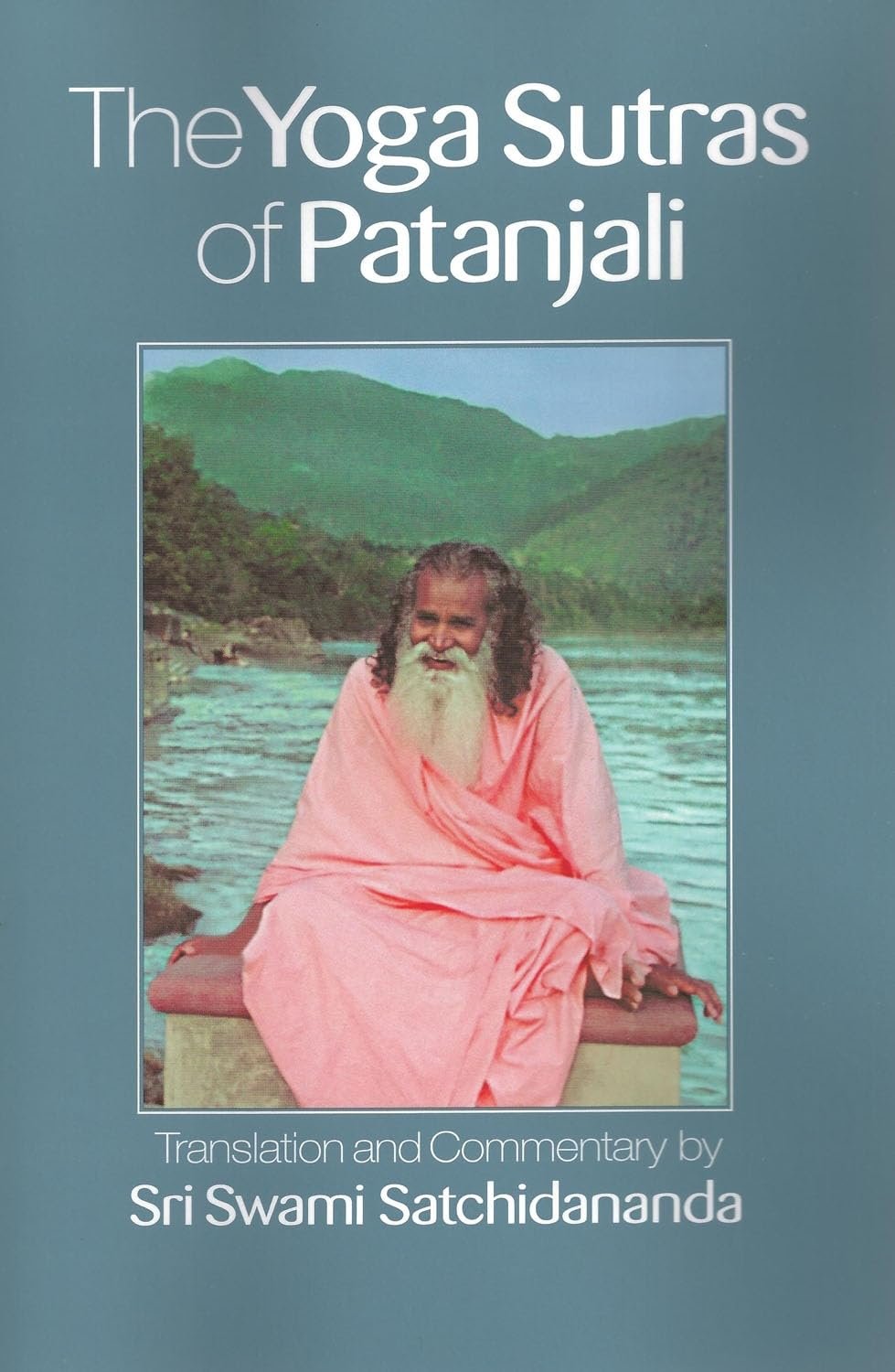
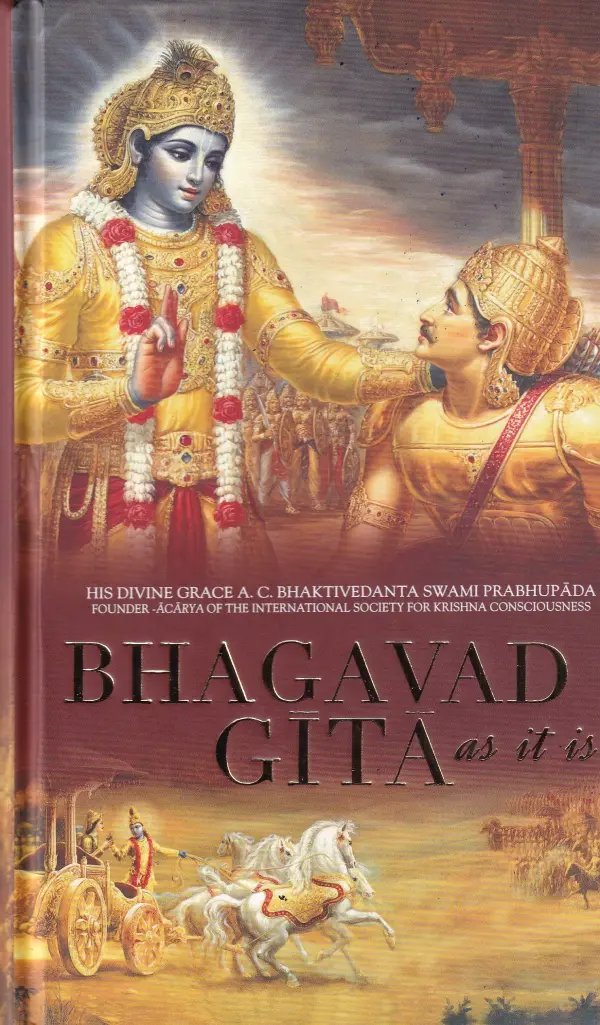
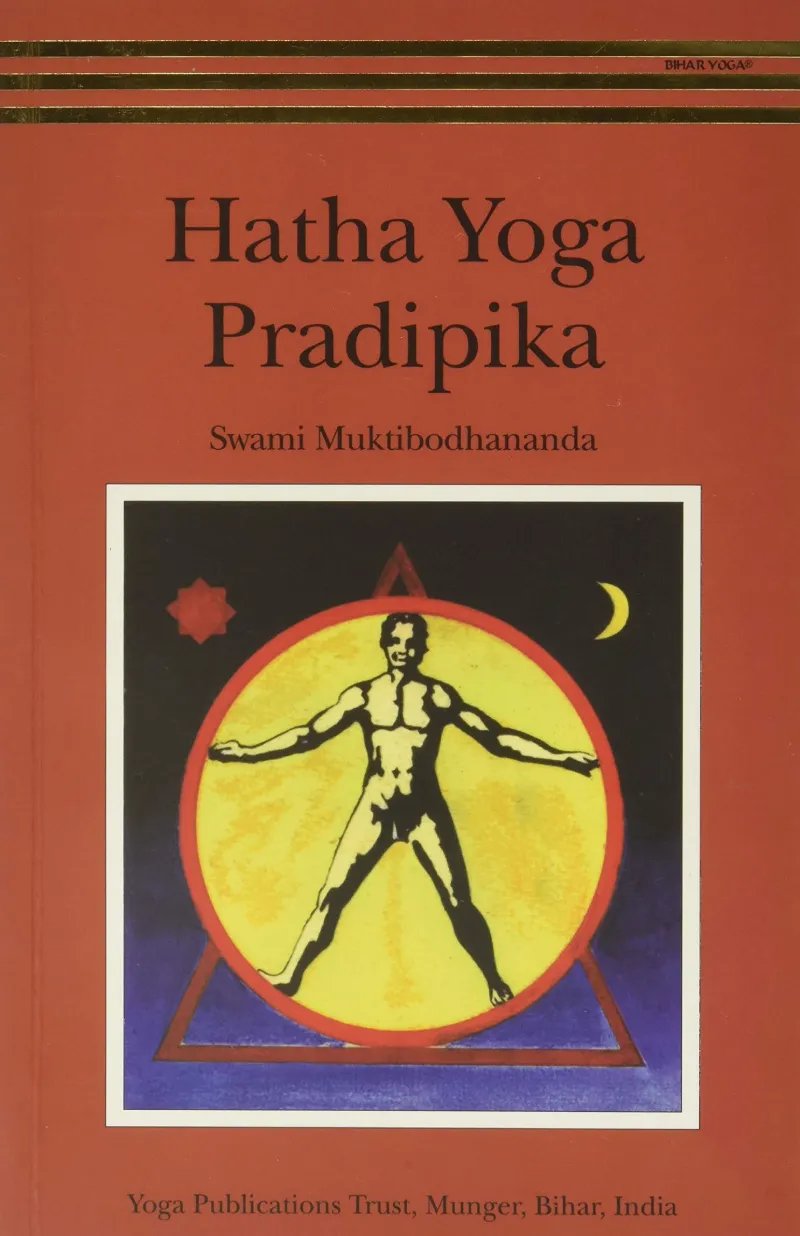
Yoga Philosophy is a powerful subject that can change one's life. Many are confused that it only exists in Patanjali's Yoga Sutras but this is not true. It is the philosophy of life which can also be found in Bhagwat Geeta, Hatha Yoga Pradipika and Upanishads. The basic and main philosophy of yoga is simple, body, mind, and soul are one and one can not separate them.
Week 1: The World of Wisdom
- Introduction to Indian Culture
- Spirituality and Himalayan Tradition
- Introduction to the Ancient Scriptures of Yoga and Spirituality
- Meaning of Indian Philosophy
- Purpose of Indian Philosophy
- Introduction to 9 Major Indian Philosophy
- What is Yoga Philosophy the Most Important among All?
- History of Yoga
- Types of Yoga
Week 2: Yoga Sutras of Patanjali
- Patanjali and His Work
- Introduction to Yoga Sutras Text
- Eight Limbs of Yoga (Ahimsa, Satya, Asteya, Brahmacharya, Aparigraha, Saucha, Santosha and Tapas)
- Yamas & Niyamas
- Philosophy of Asana & Pranayama
- Karmic Science
In yoga, anatomy is a crucial subject for yoga teachers and learners. In the class, you will get to know physical anatomy and spiritual anatomy.
- Physical Anatomy
- Introduction to Body
- Bodily Structures
- Body Planes
- Anatomical Movements
- Bones of the Skull
- Cervical Vertebrae
- Shoulder Girdle/ Arm Bones/ Pelvic Region
- Deformities of the Spine
- Lower Extremity
- Tendons and Ligaments
- Muscular System
- Nervous System
- Respiratory System
- Spiritual Anatomy
- Nadi (Energy Channel)
- Chakras (Energy Centres)
- Pancha Kosha (5 Layers)
- Pancha Mahabhuta (5 Elements and Body Structure)
Ayurveda is the oldest and the most natural system of medicine that originated in India years ago. It is approximately 3000 years ago medicinal science. Ayurveda is derived from two words, "Ayur" means "Life" and "Veda" means "Science", thus Ayurveda describes the meaning "Science of Life" or 'Knowledge of Life'. As per Ayurvedic Science, the body is made up of five elements, i.e. Akash (Ether), Vayu (Air), Agni (Fire), Apas (Water), and Prithvi (Earth). These 5 elements create 3 doshas namely, Kapha, Vata and Pitta. When these are balanced, then an individual remains healthy and when these are imbalances, an individual remains ill. Ayurveda helps in balancing all of these to give you a healthy lifestyle.
The 100 Hours Yoga Course explains;
- What is Ayurveda?
- Ayurvedic Treatment and its Unique Features
- Ayurveda and Its Diversified Areas
- Ashtanga Ayurveda
- Fundamentals of Ayurveda
- Panchamahabhuta [Earth (Prithvi), Water (Jal), Fire (Agni), Air (Vayu) and Aether / Space (Aakash)]
- Kapha
- Vata
- Pitta
- Prakriti- Know Your Constitution
Mudra is a symbolic gesture. It is normally practices with hands and fingers, explaining the flow of energy in the subtle body. It brings a wondrous change in body and mind.
The 100 Hours Yoga Course explains;
- The Secrets of Mudra
- The Position of Elements in the Hands
- The Need for Mudra
- Advantages of Mudras
- Special Guidelines About Mudra
- Gyan Mudra (Gesture of Wisdom)
- Purn Gyan Mudra (Gesture of Complete Wisdom)
- Vairagya Mudra (Gesture of Dispassion)
- Abhaya Mudra (Gesture of Fearlessness)
- Dhyana Mudra (Meditation Mudra)
- Vayu Mudra (Gesture of Air)
- Pran Mudra (Gesture of Prana)
- Prithvi Mudra (Gesture of Earth)
- Surya Mudra (Gesture of Sun)
- Varun Mudra (Gesture of God of Water)
- Shoonya mudra (Gesture of Openness, Space)
- Pran-Apan Mudra (Gesture of Prana Apana)
Bandhas is the Sanskrit word which means Lock. The aim of it is to block the energy flow from a particular part of the body. When the lock is opened, then the energy flows properly throughout the body and maintains overall wellness and vitality.
- Meaning and Importance of Energy Lock
- Why the Energy Lock and How Our Energy Gets Drained
- Energy Knots and How to Open Them
- Understanding the Three Chakras (Muladhara, Manipura, Visuddhi)
- Experience with Energy Lock
- Benefits and Risks of Bandha Practices
- Practices (Beginners and Intermediate Level)
- Mula bandhas (Root lock)
- Uddiyana bandha (Abdominal lock)
- Jalandhar Bandha (Throat Lock)
While being a student, it is also necessary to learn to teach. You are on a journey from being a student to a teacher.
- Proper sequence
- Avoid injuries
- Happiness during and after the practice
- Work with various styles of yoga and in all levels
- Meditative experience
- Managing the energy flow
- Balancing the energy flow
What you'll learn?
- Proper demonstration of a Yoga practice
- The proper way to instruct and guide a lesson
- Proper alignment of yoga postures
- Proper adjustment with/ without props
- Yogic personality establishment
In yoga, alignment is the right way to perform any asana so that one can minimise the risk of injury and reap maximum benefits from it.
What'll you learn?
- Sense of alignment
- Role of alignment in daily practice
- Balancing prana & chakras
- Alignment and 5 koshas
- Importance of Alignment
- A different aspect of Alignment
- Minimising the risk of injuries
- Increase the movement of joints
- Alignment based on body regions
- Upper Limb alignment
- Lower Limb alignment
- Torso – Thorax - Abdomen – Pelvis Alignment
- Alignment of Head & Neck
- Alignment of the spine
- Basic postures of alignment
- Bringing the body into comfortable zone
- Balancing the body and mind
Adjustment in yoga is also about learning the correct technique of yoga.
You'll learn;
- What is yoga adjustment?
- Sense of yoga adjustment
- Level of yoga adjustment
- Why adjustment is needed in yoga asana
- Role of adjustments in yoga asana class
- The right technique for perfect adjustment
- Bandhas
- Dynamics of each asana
- How to adjust self adjust in a posture
- How to adjust to others during the class
- Methods of Adjustment
- Tools and props to achieve the peak in the posture
- Body weight management
- Safety rules
- Preparations for adjustment
- Performance during the course
- Attendance
- Practical asana demonstration test
- Written test (Objective and subjective type)
- Behavior
Daily Yoga Schedule
The 100 hour Yoga Teacher Training Course at Atharv Yogshala follows a strict schedule in compliance with Yoga Alliance standards. Nearly 6 to 7 hours of training time are assigned to some aspect of yoga each day. You could find the training intensive but enlightening.
Time
Activity
05:00 AM
Wake Up
05:30 AM - 06:00 AM
Morning Teaa
06:00 AM - 07:30 AM
Hatha Yoga
07:45 AM - 08:45 AM
Pranayama
09:00 AM - 10:00 AM
Breakfast
10:30 AM - 11:30 AM
Yoga Philosophy
11:30 AM - 12:00 PM
Tea Time
12:00 PM - 01:00 PM
Yoga Anatomy / Alignment Class
01:00 PM - 01:45 PM
Lunch
03:00 PM - 04:00 PM
Mantra / Ayurveda / Teaching Methodology
04:15 PM - 05:45 PM
Ashtanga Vinyasa
06:00 PM - 07:00 PM
Meditation / Yoga Nidra
07:00 PM - 07:45 PM
Dinner
10:00 pm
Lights Off
Schedule on Wednesday
Time
Activity
06:00 AM
Shat Kriya - Cleansing Practice
07:30 AM
Self-practice
08:30 AM
Breakfast
10:30 AM
Self-Practicum
12:00 PM - 01:00 PM
Rest
01:30 PM
Lunch
02:00 PM
Free / Rest / Self-Study
Please Note: Excursions will be in the Morning / Afternoon / Evening time.
Schedule on Sunday
- Whole day is Rest / Holiday / Field Visits / Outdoor Excursions
- Includes Breakfast / Lunch / Dinner in Campus
Study Materials / Give-away
- Yoga Manual
- Notebook
- Jal Neti Pot, Rubber Neti
- School Bag
- School T-Shirt
Excursions During The Course
Understanding the local spiritual heart is key for our yoga students. Our program offers enriching and peaceful excursions to Yogic Caves, the holy Ganges River, the majestic Himalayas, local cultural spots, and other inspiring destinations.
Kunjapuri : Sunrise Tour
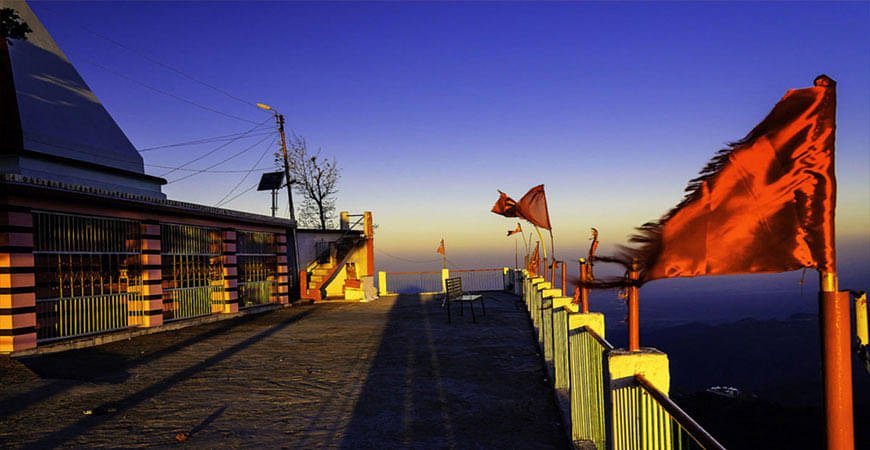
Visit Kunjapuri Temple, a revered Shakti Peeth in the Himalayas. At 1600m, enjoy views of snow-capped peaks and the Ganga River from this ancient and beautiful temple. Experience a serene sunrise.
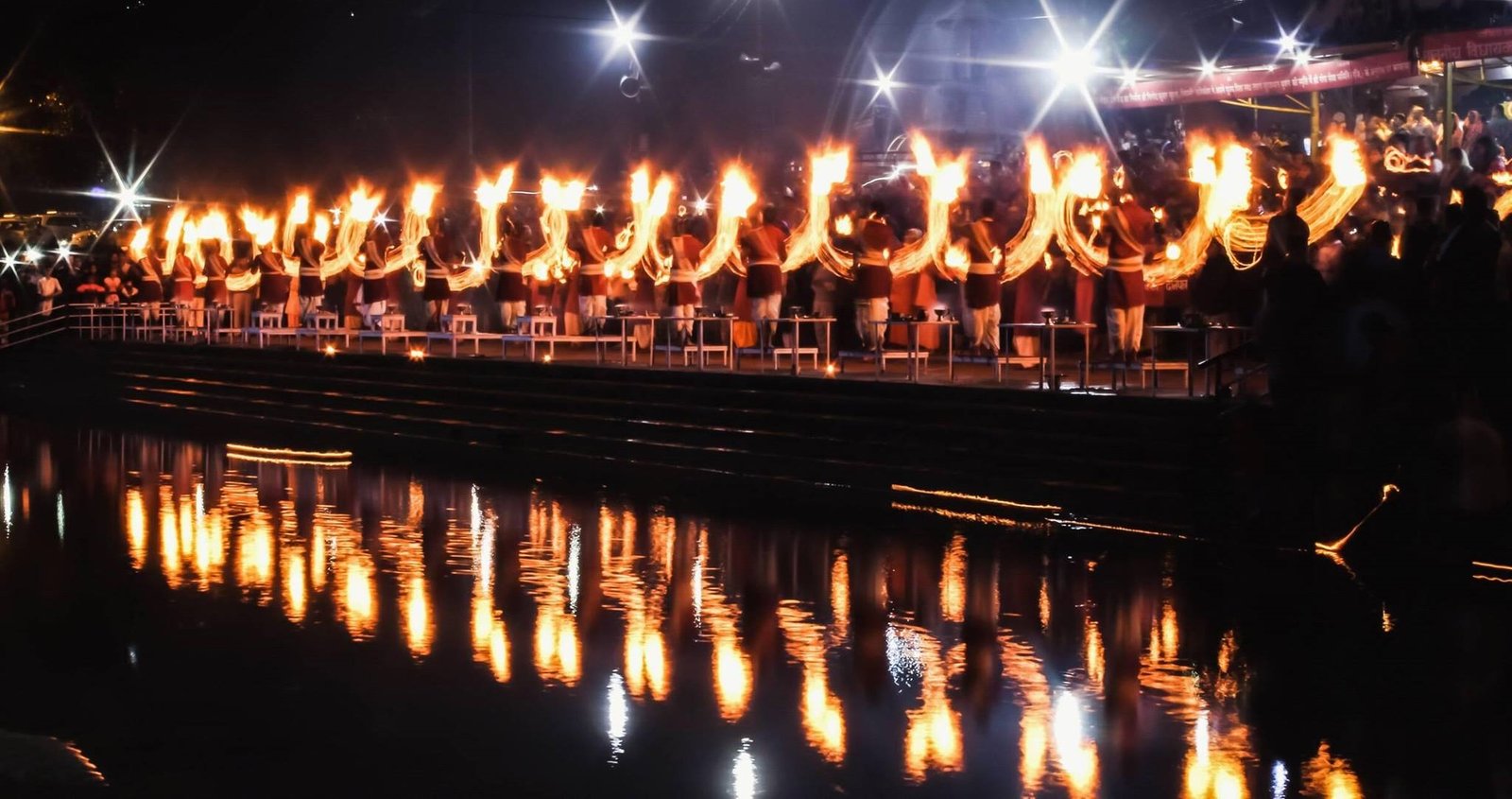
Ganga Aarti - Rishikesh
Witness the Ganga Aarti in Rishikesh, a daily ritual with Vedic chants and prayers to fire. Held at Triveni Ghat and Parmarth Niketan, hundreds join physically, and thousands more virtually, for this spiritual experience.

Itharana Village : Nature Walk
Escape to Itharana, a peaceful Himalayan village. Engage in activities that connect you with nature, away from city life's noise. Experience the tranquility of a rustic setting and enjoy the natural beauty.

Bhootnath Temple
Bhootnath Temple, dedicated to Lord Shiva, is in the Swargashram area behind Parmarth Niketan. This multi-story temple offers amazing panoramic views of Rishikesh from its small main temple on the top floor.
Accommodation & Food
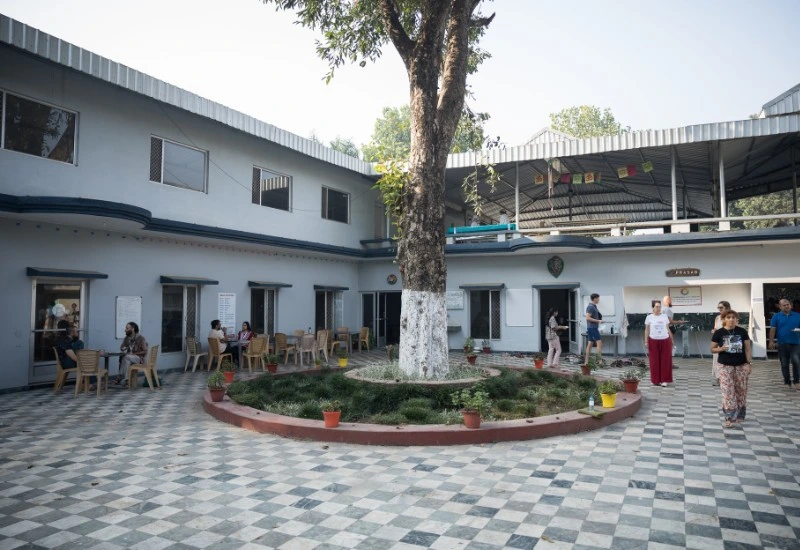
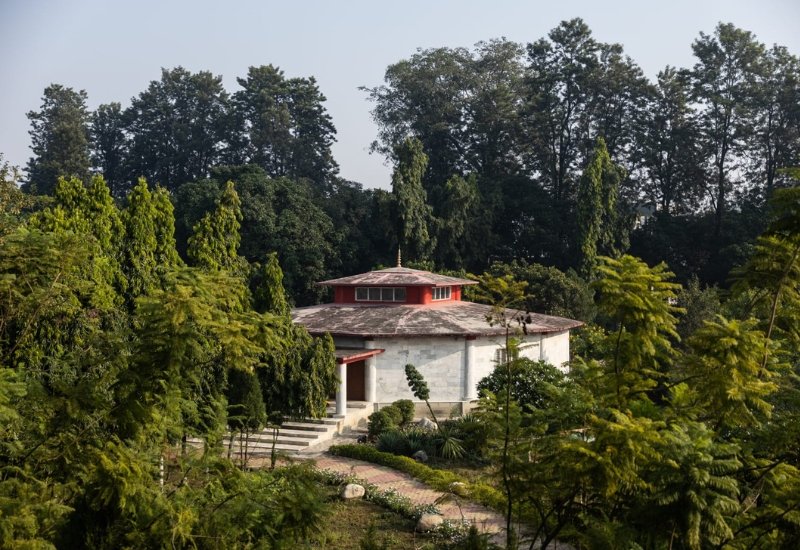
Atharv Yogshala's stay and meals are truly based on yogic patterns. Our accommodation is situated in a beautiful quiet place, a wholly isolated space just outside of Rishikesh. You will be surrounded by nature away from the chaos and busy everyday life and feel calm as soon as you enter the school premises.Atharv Yogshala is a beautiful place for nature lovers and perfect for meditation and finding your true self.
At Atharv yogshala we follow the ashram principals An ashram is a place of temporary retreat where great effort is undertaken to accelerate the transformation process towards self-realization. It is a place of spiritual retreat and growth where you come to know yourself.
An ashram fosters and encourages various types of discipline without which hard work and effort are not possible. It also teaches us how to live with simplicity, rather than indulging in the passing whims of fashion or social trends. The very atmosphere of the ashram environment is infused with spiritual ideals for us to reflect on and absorb.
Stay at Atharv Yogshala
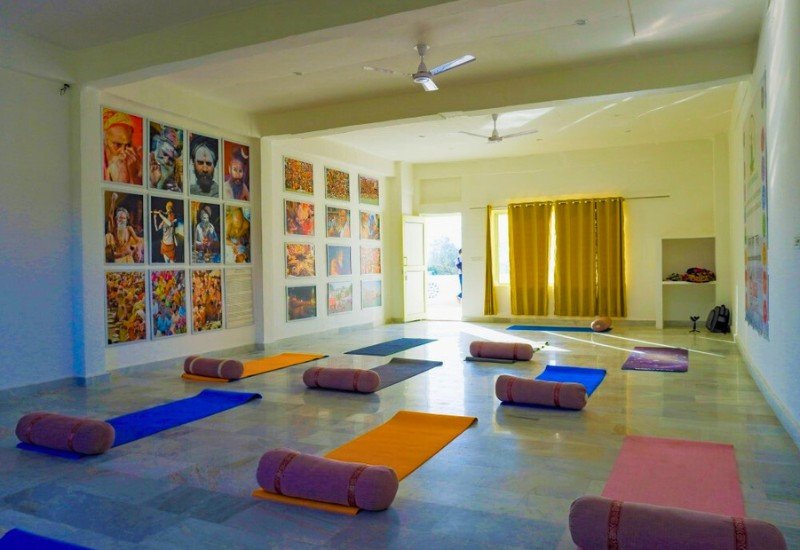
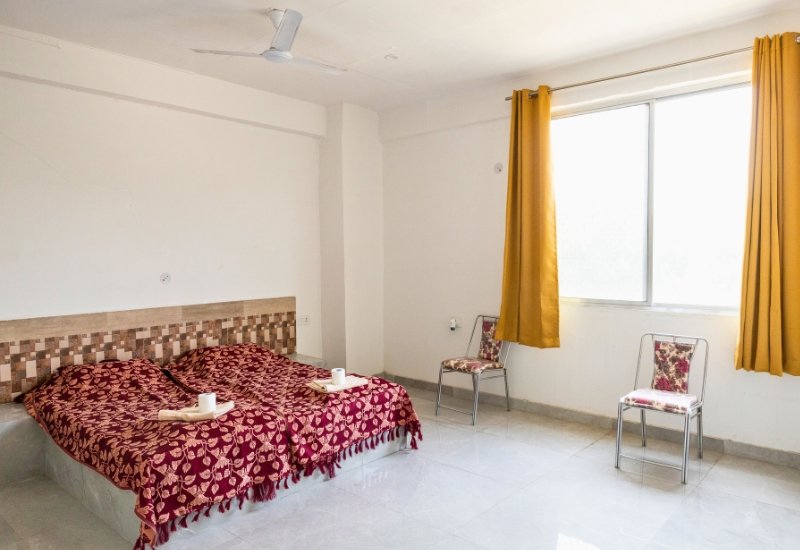
Rishikesh - The small city in Uttarakhand, is undoubtedly the prime choice for yoga lovers, from all over the world. It is also known as the "World's Capital of Yoga." The spiritual atmosphere of the city makes it more vibrant and divine. It is a yoga-centric city. All fully furnished rooms are spacious and well-appointed.
You will find every modern facility in a secure and clean environment at our premises. They are cleaned regularly and have a cabinet and attached bathroom for your convenience. Also, there is a big dining hall where all students dine together and share their thoughts. Free Wi-Fi and laundry facilities are also available. We have the supportive environment and calm atmosphere needed for spiritual growth.




Yogic Meals at Atharv Yogshala
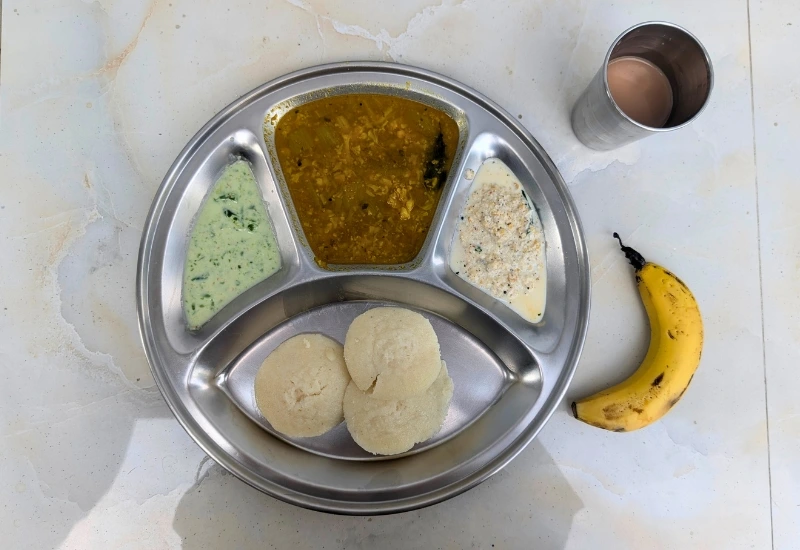
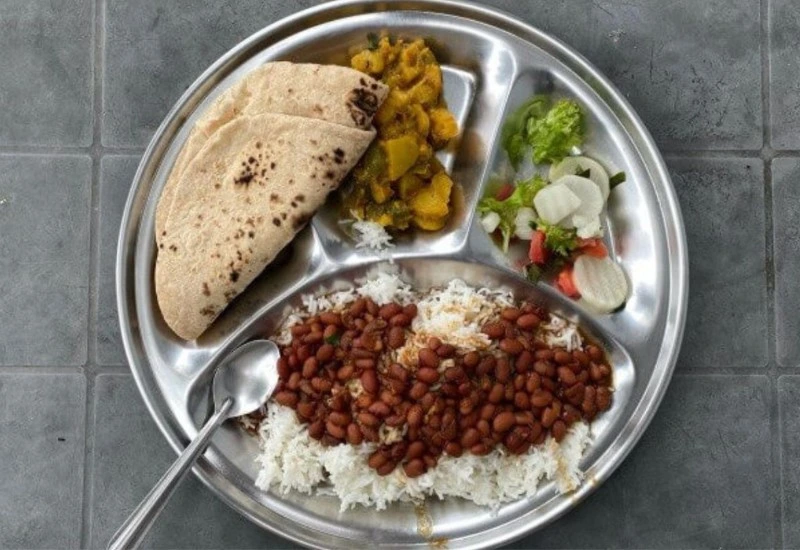
Atharv Yogshala offers three times a day freshly cooked meals, herbal tea and filtered drinking water. Atharv Yogshala Sattvic diet primarily consumes nutritious foods, including fresh produce and nuts, which is why this diet may lead to a number of health benefits. However, it’s quite restrictive, and many healthy foods are off-limits.
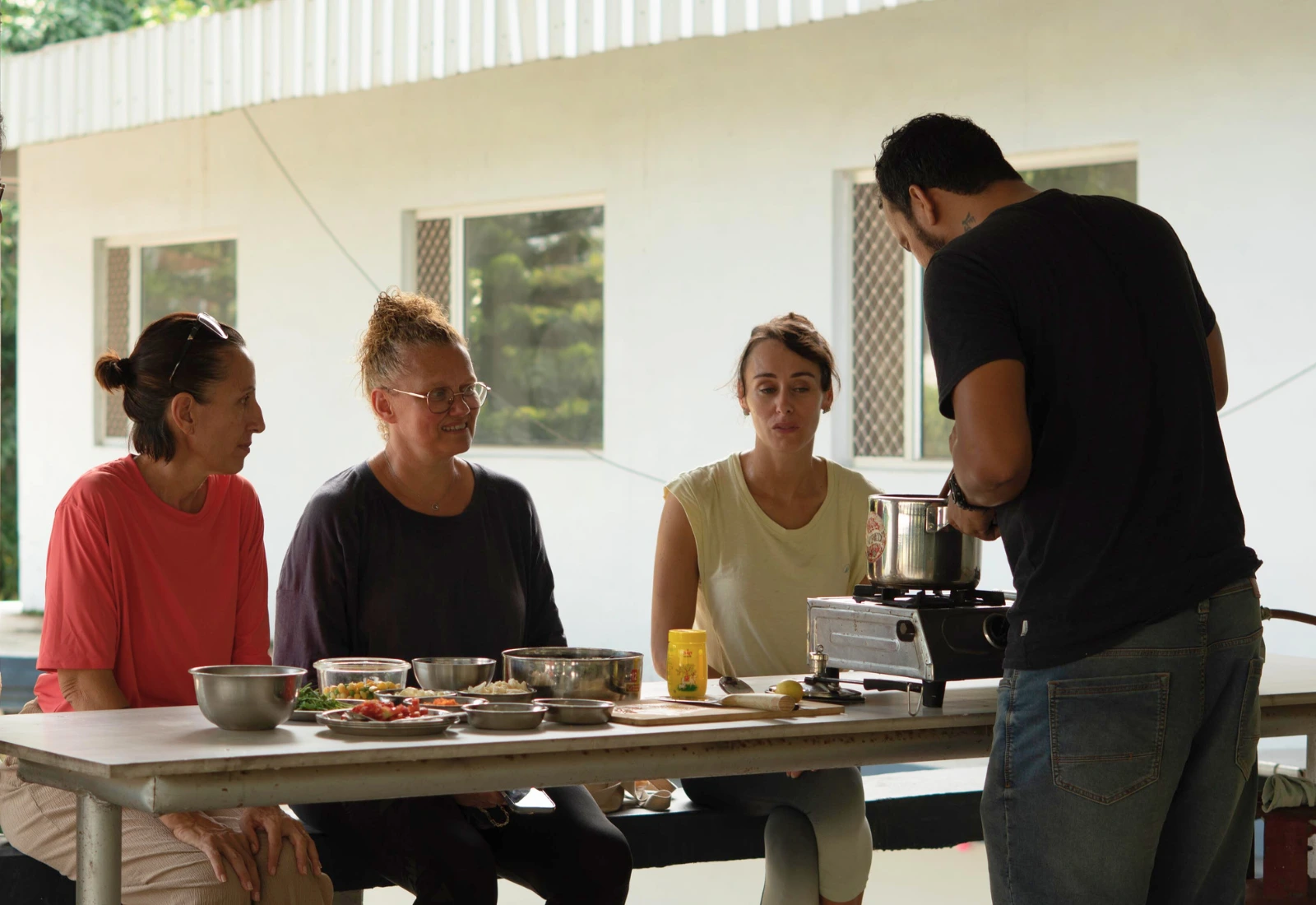
Living a healthy lifestyle is the expectation of everyone but very few obey the rule of living a healthy life. Eating Satvic food will give you good health, good nutrition and improves digestion. Sattvic food is very natural since it includes all fresh and medicinal ingredients. The diet is so natural that you don’t feel heavy or lethargic after eating and gives a peaceful feeling so here in Atharv Yogshala yoga practitioners slowly start incorporating Satvic food in theirs diet and learn to cook varieties of tasty dishes because this is going to show wonderful results in your body starting from good health, good energy boost and positive state of mind.