
- 226 Views
- 7 Min Read
- (0) Comment
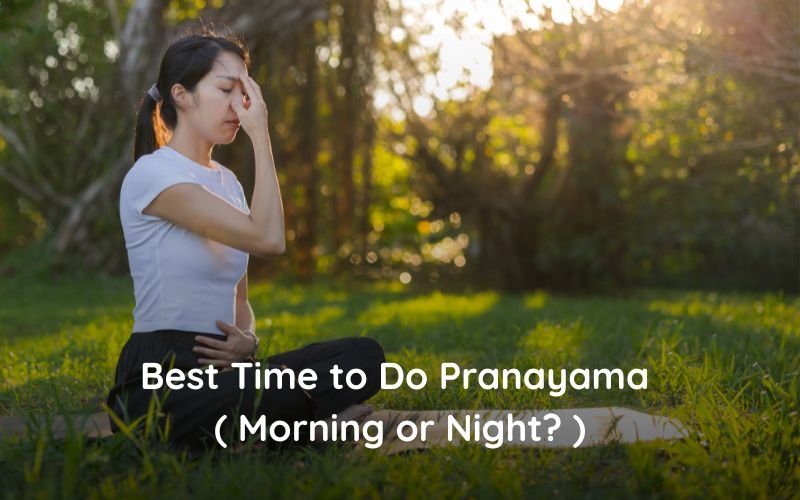
The best time to practice pranayama is early morning, ideally between 4 AM and 7 AM, on an empty stomach, when the air is cleaner, the mind is calm, and the body is naturally more receptive to breath control. That said, evening pranayama—done a few hours after eating—can also be effective, especially for relieving stress and improving sleep. The right time ultimately depends on your goal: mornings for energy and focus, nights for relaxation and better sleep.
When seasons turn to Spring and early morning light returns, have you noticed how calm and clear it is? Many of us lie in this peacefulness on the Eve, as the world slowly awakens; an Eve that favours the time to look within, renew ourselves, and gain a new outlook. This peaceful energy is not virtual; it is a time when the body and mind function best for practising techniques such as Pranayama.
Why proper timing is important for practising pranayama
Pranayama is a Sanskrit word which literally translates into “prana” (life force) and “yama” (control). This aspect of yoga is about controlling the breath. Pranayama uses techniques in various ways to deepen our physical, mental and spiritual wellness. This post will discuss the best time to practice pranayama, the science and philosophy behind pranayama, and how pranayama can fit into our lives daily.
At the end of this article, you will better understand more about the importance of timing for your pranayama practice, the best conditions for practising pranayama, and how to adopt pranayama into your lifestyle.
Understanding Pranayama
Therefore, it’s crucial to have an understanding of what pranayama is and why it is beneficial before getting started with the best time to do it, when practical.
Pranayama can be called the art of controlling the breath. These are sets of breathing exercise skills that can aid the circulation of Prana or life force, in the body. This rule isn’t only about the body, but it also has a significant impact on our mind and emotions.
Pranayama has been a practice for thousands of years in ancient Indian culture. It was not only to improve physical health, but also a spiritual practice for transcending into higher levels of consciousness.
Benefits of Pranayama
Regular pranayamic exercise can achieve a lot of advantages, such as:
- Improved Respiratory Function: Pranayama can enhance lung capacity and efficiency, leading to more oxygen being delivered to the body.
- Mindfulness and stress reduction: The relaxing effect of making use of breathing approaches can have a big reduction in anxiety and stress levels.
- Clearer focus and concentration: As the practitioner controls their breath, they might end up achieving a clearer sense of focus and improved concentration capacity, making work more productive.
- Emotional Balance: Pranayama promotes emotional balance, allowing individuals to experience it, thereby reducing the emotional roller coaster of life.
- Spiritual Connection: Breath Control is a mindful practice that many report experiencing a deeper presence with themselves and the universe this way.
At Sages Yoga, we feel the trust lies at the heart of wellness, and understanding the science behind the practices, such as pranayama, is key to gaining control of health.
The ideal time to do pranayama
The time of the day is conducive to pranayama. Early morning is the best time of them all. There are several reasons why this is the case.
- Early in the morning is the time of day when your body has the longest time to digest your previous meal.
- It tends to be quieter in the early morning as few people are usually heading out to get the day started.
- Once you’ve slept well and rested your mind, there is a degree of calm.
- The moment the sun starts to emerge above the horizon is one that has a certain “juju” in the air. In India, this time of the day is known as Brahmamuhurtha.
Note: Remember, however, sunrise times vary from place to place and by season.
Why Practice in the Morning?
Brahma Muhurta, a term in the yogic science used for the early morning to create an auspicious environment to perform spiritual pursuits. The mind and heart are at a natural peace during these times, and the mind is more receptive to meditation and breathwork. The air is also clean, making our breath purer.
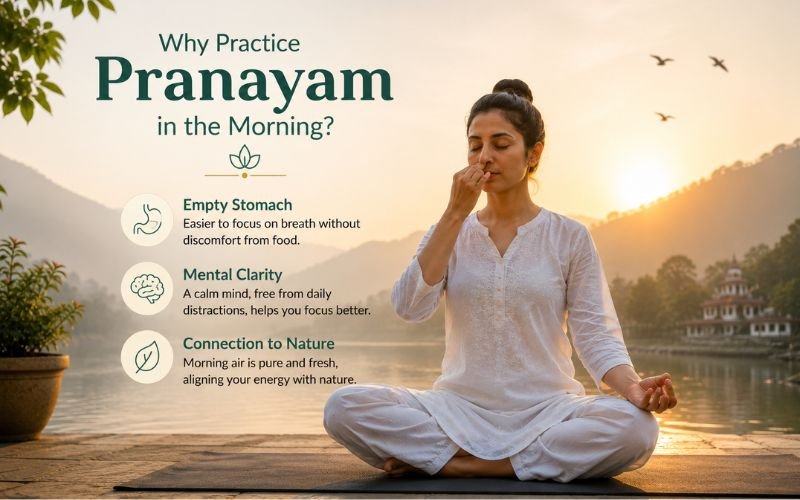
Benefits Coming from Morning Practice:
- Empty Stomach: This means it is easier to concentrate on breath without the discomfort of your stomach from the previous meal, after a good night’s sleep.
- Mental Clarity: The mind doesn’t get cluttered with all the distractions of day-to-day life, and it allows you to focus more while you practise.
- Connection to Nature: Being out with Nature-oriented practices at sunrise will enable your energy to be attuned to the natural rhythm of the world.
Preparing for Your Pranayama Practice
There are some preparation tips to follow before starting pranayama that can make the practice more enjoyable and effective.
- Create a Calm Environment: Choose a quiet room in which you will not be disturbed. Relax settings with a torchlight, cushioned seats and few distractions – this can set the scene for a focused practice.
- Clear Your Bowels: It’s advisable to use the restroom before starting your pranayama practice. By practising controlled breathing, the parasympathetic nervous system, which could be called the ‘wet the bed’ system, could stimulate you to go to the toilet.
- Warm-Up Easels: A few minutes of soothing yoga poses can be used to warm up for your pranayama practice. This warming will enhance your blood supply and help to relax, which will make it easier and more effective to control your breath.
- Practice purification exercise: By now, we know when and how to practise pranayama and let’s see how it can be integrated into our daily life.
- Have a Regular Schedule: Set a time to practice Pranayama every day, whether early in the morning, noontime or in the evening. You must be consistent to build the habit into your everyday routine.
- Start with Short Sessions: If you are a beginner in pranayama, start to practice for 5 to 10 minutes. Slowly build up the length over time, allowing yourself to try longer periods of time after the techniques feel the same.
- Explore Different Techniques: Several techniques are available for pranayama, including the Ujjayi (Victorious Breath), the Nadi Shodhana (Alternate Nostril Breathing), and the Kapalabhati (Skull Shining Breath). Try different techniques and practices, and find what works for you.
Conclusion
The timing of pranayama is the learning journey towards the healthiest and optimal breathing. Early in the morning, midday, and in the evening are other powerful moments to work with this powerful tool and bring the benefits of breath control to life in our lifestyle.
While we explore the world of pranayama, it is important to remember it is extremely personal. It is crucial to ensure that we find the best moment and strategy for us in creating a sustainable and enriching experience.
We’re here at Sages Yoga to help you be empowered on your wellness journey and offer quality supplements that enhance your holistic health care routine. If you have specific recommendations in mind, be sure to complete our AI quiz to explore which is the perfect article for you.
FAQS
The best time for practising pranayama is in the morning.
Yes, early morning is the best time to perform pranayama. Proper breathing becomes easier, the mind is calm, and the stomach is relatively empty to leave room for food. Additionally, morning practice can help to increase energy and focus during the day.
Is it possible to practice pranayama at night?
Yes, it is 100% possible to do pranayama at night, particularly calming pranayama, such as Anulom Vilom, Chandra Bhedana and Bhramari. Practising during the evening could decrease anxiety, lower nervous system tension, and improve sleep quality.
What Pranayama is best to practice in the morning?
The energizing pranayama techniques, like Kapalbhati, Bhastrika and Surya Bhedana, are frequently performed in the morning. These can help to make you feel more alert, improve circulation and set you up for the rest of the day.
Which of the pranayamas should not be practised before sleep?
Pranayama placed in the evening can stimulate, so it’s best to avoid them late into the night, so stimulate them only at the very beginning of the evening. Breathing exercises are better to perform if they are gentle and calming, before bedtime.
What is the best time to perform pranayama – before or after yoga?
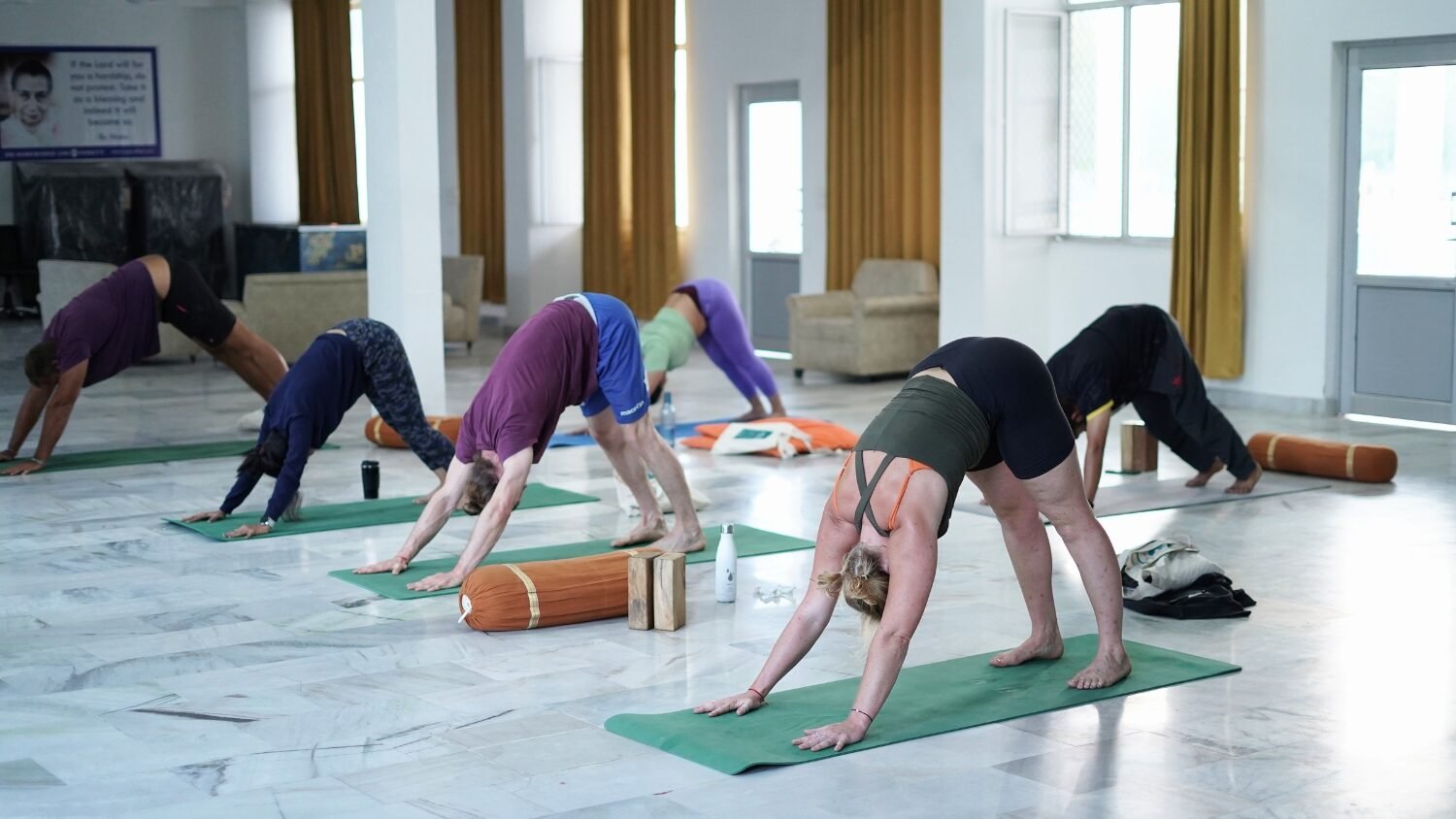
Pranayama has been used to be done after practising yoga positions, before practising meditation. By using the yoga poses to stretch the body, the breath will flow more freely, which will make pranayama more comfortable and effective.
Yoga Teacher Training Courses in Rishikesh
100 Hour Yoga Teacher Training in Rishikesh
200 Hour Yoga Teacher Training in Rishikesh
300 Hour Yoga Teacher Training in Rishikesh



Leave a comment: